
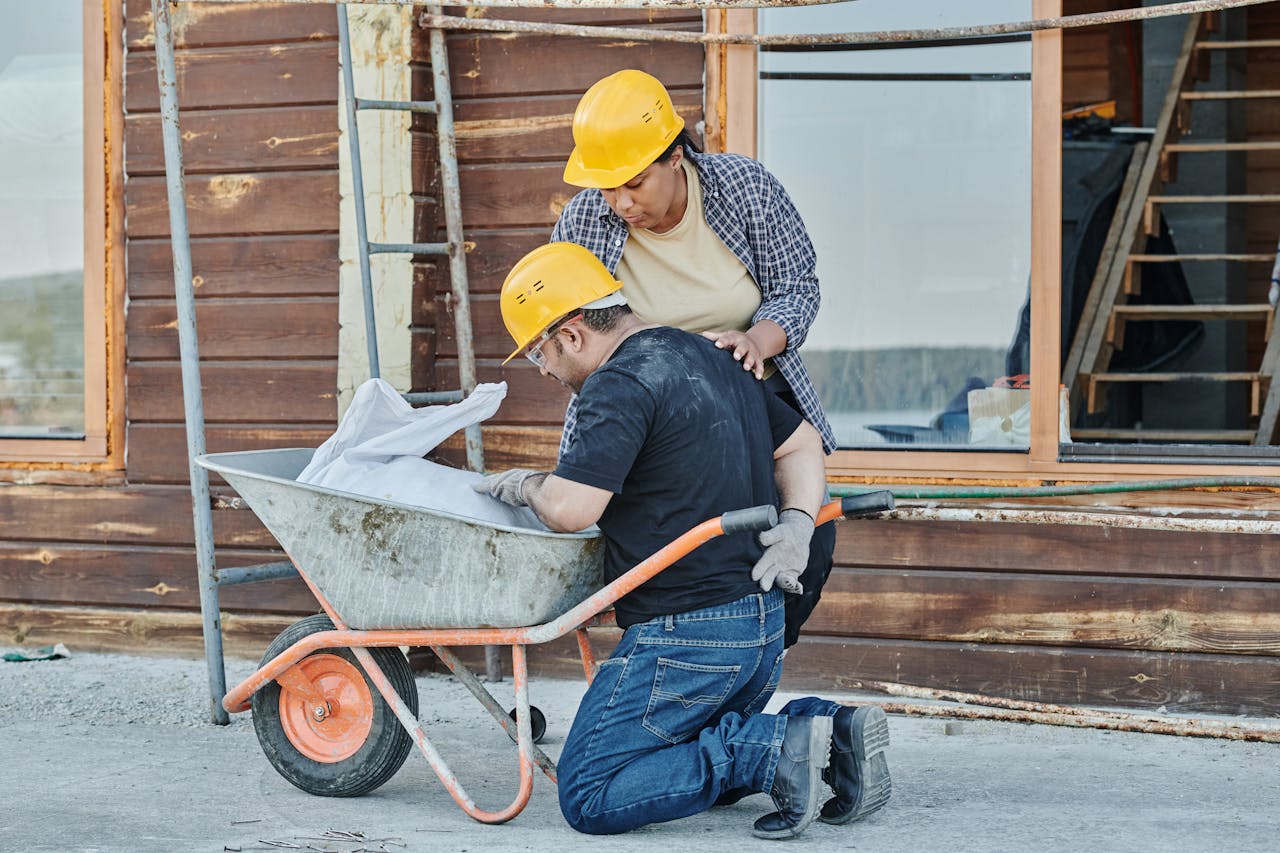
Workplace injuries are a significant concern for both employers and employees, capable of causing not only physical harm but also leading to lost productivity, financial losses, and legal complications. Preventing such injuries requires a proactive approach focusing on the identification of potential hazards and the implementation of appropriate safety measures. Through comprehensive risk assessments, employers can pinpoint areas of concern and tailor their injury prevention strategies effectively.
Training and education play a crucial role in minimising workplace accidents. By equipping employees with the knowledge and skills to navigate their work environment safely, the likelihood of accidents can be substantially reduced. Furthermore, the incorporation of suitable personal protective equipment and optimisation of workspace layout and practices have been shown to mitigate risks. Ensuring that clear lines of communication are established and that an emergency response plan is in place solidifies a culture of safety within the workplace.
Key Takeaways
- Effective hazard identification and risk assessment are pivotal in reducing workplace injuries.
- Regular training and the correct usage of personal protective equipment are critical to employee safety.
- Strategic workspace design and clear safety protocols contribute to a strong safety culture.
Understanding Workplace Injuries
Proper understanding of workplace injuries is essential to effectively implementing prevention strategies. This segment will provide insights into the nature and frequency of these injuries, and shed light on their common causes.
Injury Statistics and Types
Workplace injuries span a broad spectrum but often manifest as musculoskeletal disorders which include back injuries, carpal tunnel syndrome, and tendonitis, stemming largely from physical overexertion. Repetitive strain injuries, caused by repeated motion or overuse, also contribute significantly to work-related health concerns.
- Statistics: In the UK, the Health and Safety Executive (HSE) reports that musculoskeletal disorders account for approximately 29% of all work-related ill health cases.
- Types:
- Musculoskeletal disorders: Often linked to manual handling, awkward postures, and repetitive tasks.
- Repetitive strain injuries: Resultant from repeated tasks, forceful exertions, vibrations, and maintaining an uncomfortable or static posture.
Common Causes of Workplace Injuries
Identifying the root causes of workplace injuries is a critical step towards prevention. Major contributors include insufficient training, inadequate equipment, and environmental hazards.
- Causes:
- Insufficient training: Employees lacking proper job and safety training may perform tasks that inadvertently increase injury risks.
- Inadequate equipment: The use of outdated or improper equipment can lead to strain injuries.
Environmental factors such as slippery surfaces, inadequate lighting, and cluttered workspaces often precipitate accidents leading to injury. Employers should aim to maintain safe work conditions and provide ergonomic tools to minimise these risks.
Legal Framework and Safety Policies
Creating a robust framework for workplace safety is essential in safeguarding employees and ensuring legal compliance. Handling the intricacies of safety legislation and the formulation of effective safety policies plays a vital role in fostering a safe work environment.
Regulations and Compliance
The health and safety of workers in the UK are governed by a comprehensive set of regulations, including the Health and Safety at Work etc. Act 1974 and the subsequent regulations designed under it. Employers are legally obliged to follow the guidance provided, which includes the Reporting of Injuries, Diseases and Dangerous Occurrences Regulations (RIDDOR). Businesses must report certain workplace incidents, occupational diseases, and specified dangerous occurrences to the relevant authority. Compliance is not only a legal requirement but also a moral one, ensuring all employees are provided with a secure and healthy workplace.
Safety and wellness plans are also vital components of the legal landscape, encompassing the mental and physical well-being of staff. The Management of Health and Safety at Work Regulations 1999 requires employers to assess and manage risks to their employees and the public.
Developing Safety Policies
Effective safety policies articulate a company’s commitment to the health and safety of its employees, as well as its compliance with legal responsibilities. These policies should detail the systematic approach taken to mitigate risks, ranging from everyday safety protocols to emergency response procedures.
To set a safety standard, these policies must include clear instructions, responsibilities, and methods for reporting concerns or incidents. They should be readily available, comprehensible, and actionable by all members of the organisation. Guidance on the implementation of these policies and how to fulfil requirements under RIDDOR is integral to a thorough safety plan, helping to maintain consistently high standards of health and safety.
Risk Assessment and Hazard Identification
To effectively prevent workplace injuries, one must engage in thorough risk assessment and hazard identification. These processes involve evaluating the work environment to identify and mitigate potential dangers.
Conducting Assessments
The first step towards a safer workplace is conducting a comprehensive risk assessment. Employers should ensure that the assessment is systematic, covering all significant risks that might lead to injury. This entails examining all aspects of the work environment, including trip hazards like loose cables or uneven flooring and slippery surfaces that could cause falls. The assessment must also encompass potential exposure to hazardous materials, ensuring that risks are properly documented and appropriate safety controls are established.
Identifying Potential Hazards
Identifying potential hazards is an integral part of the assessment process. During this stage, businesses should meticulously inspect their workplaces for any situation or substance that could potentially cause harm. Employees must be trained to recognise hazards, such as chemical exposure or unsafe practices, and understand the correct reporting procedures. Specialists might be required for monitoring specific risks like exposure to hazardous material, to provide precise control measures and thus reduce associated risks.
Risk assessment and hazard identification are essential pillars of workplace safety, aiming to systematically identify threats and take the necessary actions to protect employees. By implementing these practices diligently, companies can mitigate the risks of injury and create a safer working environment for all.
Training for Accident Prevention
Effective accident prevention in the workplace hinges on comprehensive training and continuous education. These essential components equip employees with the knowledge to identify risks and the competencies to act safely.
Safety Training Programmes
Safety training programmes are the bedrock of employee safety. Their design should reflect both universal and job-specific hazards. These programmes often initiate employees into the safety culture, covering topics such as manual handling, emergency procedures, and the correct use of personal protective equipment. Consider implementing a tiered training system, starting with basic safety training for new recruits and advancing to specialised modules for specific roles or equipment.
- Induction Training: Covering basic safety protocols.
- Ongoing Training: Addressing evolving workplace hazards.
- Role-Specific Training: Tailoring to the risks of specific job functions.
It’s critical to regularly review and update the content of these programmes to stay abreast of changes in regulations and practices.
Regular Workshops and Demonstrations
Workshops and demonstrations provide interactive platforms for reinforcing safety training. These are invaluable for accident prevention, as they allow employees to practically apply their knowledge in controlled scenarios. Demonstrations of equipment handling and emergency response drills can solidify theoretical knowledge through hands-on experience.
- Monthly Workshops: Keeping safety top-of-mind with regular refreshers.
- Practical Demonstrations: Allowing employees to learn through experience.
Regular workshops not only maintain a high standard of workplace safety but also demonstrate an employer’s commitment to keeping their workforce injury-free.
Personal Protective Equipment
Personal Protective Equipment (PPE) plays a vital role in mitigating the risk of injury in the workplace. They must select the right PPE for the job, ensure it is used correctly, and maintained properly to be effective.
Types of PPE
PPE covers a range of equipment designed to protect workers from hazards. The most common types include:
- Gloves: Used to protect the hands from chemicals, cuts, and abrasions.
- Goggles: Provide eye protection from flying debris, splashes, and intense light.
- Hard hats: Offer head protection from impact, by falling or stationary objects.
- Harnesses: Used in jobs that involve heights to prevent falls.
Each type of PPE is designed for specific hazards and environments. It is crucial for employers to assess which PPE is suitable for the tasks their workers are performing.
Usage and Maintenance
The effectiveness of PPE greatly depends on its proper usage and maintenance. Guidelines for usage and maintenance include:
- Ensuring proper fit: Ill-fitting PPE can compromise protection and therefore should be fitted to each individual worker.
- Regular cleaning: PPE must be kept clean and sanitary to function correctly. This includes regular washing and, if necessary, decontamination.
- Inspection for damage: Before each use, PPE should be inspected for signs of wear or damage which might reduce its protective qualities.
- Storage: Store PPE in a clean and dry environment to prevent damage when not in use.
- Training: Workers should receive training not only on how to use PPE but also on its maintenance and the importance of reporting problems.
Adherence to these guidelines ensures that PPE will provide the highest level of protection, reducing the incidence of workplace injuries.
Workspace Optimisation
Optimising the workspace is crucial for preventing injuries at work. It involves strategic placement of equipment and the maintenance of clear walkways and areas to promote a safe working environment.
Efficient Layout and Equipment Placement
In any workplace, strategically arranging equipment and furniture can significantly mitigate risks. Employees should have easy access to the tools and machinery they require without undue strain. Adequate lighting is essential, ensuring all equipment is visible and operating instructions are clear. Computer monitors, for instance, should be positioned to minimise glare and reduce the strain on users’ eyes.
Maintaining Clear Walkways and Work Areas
Obstructions in walkways and cluttered work areas are common culprits for trips and falls. Maintaining clear walkways is not just about removing physical obstacles; it’s about promoting an organisational culture where everyone takes responsibility for tidiness. Boxes should be stacked neatly, cables should be secured or run overhead, and spills must be cleaned promptly to prevent slips. Regular housekeeping practices support this, ensuring that work areas remain unobstructed and safe for all employees.
Safe Handling and Movement
Ensuring safe handling and movement within the workplace is pivotal in preventing injuries related to manual handling and falls. Employers and employees must adopt correct handling techniques and utilise mechanical aids when necessary.
Manual Handling Techniques
Manual handling involves lifting, holding, putting down, pushing, pulling, carrying, or moving a load. Accidents often occur due to poor handling techniques, which can lead to musculoskeletal disorders.
- Proper Lifting: When lifting, individuals should keep the load close to the waist, maintaining the spine’s natural curve; the heavier the item, the closer it should be to the body. It’s vital to bend the knees and hips rather than the back, using the leg muscles to lift, which are stronger and less prone to injury.
- Carrying Loads: While carrying, it’s important to keep the load stable and at waist height to minimise the strain on the body. One’s vision should never be obstructed by the load.
Employers should ensure that staff are adequately trained in these techniques and that they are followed in daily operations.
Utilisation of Mechanical Aids
Whenever possible, mechanical aids should be used to reduce the physical strain on employees. Incorporating equipment such as trolleys, conveyors, and forklifts helps in handling heavy or awkward loads effectively.
- Ladders and Scaffolding: For tasks requiring heights, properly secured ladders or scaffolding systems should always be used. One must ensure they have a stable base and that they’re inspected regularly for safety.
- Mobile Elevating Work Platforms (MEWPs): In some circumstances, MEWPs offer a safer and more flexible option for working at height compared to ladders, helping to prevent falls from height.
To sum it up, operational efficiency and injury prevention in the workplace demand the correct application of manual handling techniques and the utilisation of mechanical aids, combining knowledge with the right equipment to maintain the safety and health of all involved.
Emergency Preparedness and Response
Effective emergency preparedness and response in the workplace are critical for the prevention of common workplace injuries and ensuring swift action is taken when accidents occur. Setting comprehensive safety procedures, along with clear accident prevention strategies, can significantly reduce the likelihood of a workplace accident.
First Aid and Medical Attention
The cornerstone of any emergency response plan is the availability of First Aid and Medical Attention. All workplaces should have:
- A designated first aid area replete with necessary medical supplies to handle common injuries.
- Trained first-aiders who are regularly updated on the latest techniques.
- Posted instructions for common first aid procedures, ensuring a quick and knowledge-backed response to incidents.
- Emergency contact details that are easily accessible for reporting severe incidents to medical professionals.
These measures allow for immediate action when dealing with injuries, which is instrumental in mitigating their severity.
Evacuation Procedures
Evacuation Procedures form another essential part of emergency response:
- Clear, well-marked escape routes and exits that are unobstructed at all times.
- Regularly practised evacuation drills so all employees are familiar with the process.
- Signage with instructions on what to do in case of different emergencies; for instance, fire or hazardous material spills.
- Designated assembly points that are well known by all employees for headcounts and further instructions post-evacuation.
Proper evacuation procedures ensure that in the event of a serious incident, all personnel can exit the building quickly and safely to avoid further injury.
Communication and Reporting
Effective communication and diligent reporting are cornerstones of maintaining workplace safety. They serve as precautionary measures to significantly reduce the likelihood of workplace accidents, including potentially fatal incidents.
Effective Communication Strategies
Regular Safety Meetings:
- Hold weekly safety briefings to reinforce safety protocols.
- Use visual aids such as charts and diagrams to clarify complex points.
Clear Signage:
- Display safety notices in prominent locations.
- Use bold and italic fonts for emphasis on crucial instructions.
Feedback Mechanisms:
- Encourage staff to offer feedback on safety procedures.
- Implement an anonymous suggestion system for improvement ideas.
Incident Reporting and Investigation
Structured Reporting System:
- Establish a clear procedure for reporting accidents and near-misses.
- Use incident forms that prompt for specific details to ensure comprehensive reports.
Prompt Investigation:
- Initiate investigations immediately after an incident is reported.
- Document findings in a formalised investigation report to share lessons learned.
Corrective Actions:
- Develop action plans to address the root causes of incidents.
- Review and revise safety policies as necessary based on post-incident analysis.
By prioritising effective communication strategies and a robust incident reporting and investigation protocol, workplaces can maintain an environment where safety is a shared responsibility and everyone is equipped to contribute to a safer workplace.
Enhancing Safety Culture
A strong safety culture serves as the backbone of a productive workplace, allowing morale to thrive alongside productivity. It is a vital component in mitigating safety concerns and fostering a more productive workforce.
Promoting Safety as Organisational Value
Organisations must embed safety as a core value at every level. This begins with clear communication from leadership that safety is not negotiable and is as important as productivity itself. Employees should see safety protocols as intrinsic to their roles, ensuring that safety and work processes are seamlessly integrated. By making safety a priority, companies can boost overall morale, knowing that their wellbeing is a primary concern, which in turn can enhance productivity.
Recognising and Rewarding Safe Behaviours
Building a positive safety culture also entails recognising and rewarding safe behaviours. Consistent acknowledgement of individuals and teams who adhere to safety protocols reinforces the desired behaviour. Practical steps might include implementing reward programs or public recognition forums which highlight safety achievements. Rewards not only motivate but also validate the importance of safety, leading to a more engaged and vigilant workforce. This approach solidifies the principle that safe work is indispensable for a successful and resilient organisation.
Looking for physio in Peterborough? Osteopathy in Cambridge? Or a chiropractor in Kings Lynn? Total Health Care Clinics provides wide range of treatments including massage, acupuncture, sports massage, podiatry and many more in various location across Cambridgeshire, Norfolk and Lincolnshire.
Frequently Asked Questions
In this section, readers can find concise answers to common queries about mitigating risks and preventing injuries in the workplace.
What are the primary methods to reduce the occurrence of injuries at work?
They include fostering a culture of safety, conducting regular risk assessments, and providing adequate training on safety protocols. It’s also important to ensure that safety equipment is readily available and properly maintained.
What preventive measures can be implemented to minimise accident rates in the workplace?
Businesses can implement ergonomic workstations, enforce the use of personal protective equipment, and establish clear safety procedures. Regular injury response training is critical to prepare employees for potential incidents.
What strategies are most effective in ensuring worker safety in various industries?
Different industries may require specific safety strategies, but universally, continuous education on safe work practices and the enforcement of safety regulations are essential. Adapting to new technologies that enhance safety and conducting frequent workplace safety audits are also imperative.
How can employers and employees collaboratively work to ensure a safer working environment?
Employers should encourage open communication about safety concerns and involve employees in safety planning. Employees must be vigilant in adhering to safety measures and should promptly report hazards or near-misses.
What steps should be taken initially to establish a workplace that prioritises injury prevention?
First, they must perform a comprehensive hazard assessment to identify potential risks. Then, develop a safety and wellness plan that addresses these risks through prevention programs and training.
Can you identify five fundamental approaches to diminish the risk of accidents in the workplace?
Yes, five key approaches include: maintaining a tidy work environment to prevent trips and falls, using correct lifting techniques to avoid back injuries, ensuring machinery is guarded properly, providing adequate lighting, and promoting regular breaks to reduce fatigue-related incidents.
Total Health Clinics – Click on any of the links below for direct access to the clinic and treatment that you need:
Cambridge chiro, Cambridge physio, Cambridge osteo, Cambridge massage, Peterborough chiro, Peterborough physio, Peterborough osteo, Peterborough massage Kings Lynn chiro, Kings Lynn osteo, Kings Lynn massage and Kings Lynn physio
