
Are you tired of battling headaches or migraines? Osteopathy offers a promising approach to relieving the discomfort of these conditions. Many people suffer from headache disorders, including tension headaches, cervicogenic headaches, and migraines. Osteopathy can address these issues through hands-on techniques that may help reduce inflammation and relieve pain.

Imagine a treatment that doesn’t rely on medication but instead uses gentle manipulation to target the root cause of your pain. Osteopaths focus on the musculoskeletal system and its relationship to headaches. By improving joint mobility and muscle tension, osteopathy can help alleviate various types of headaches and improve your quality of life.
Research supports the effectiveness of osteopathy in managing headaches and migraines. From easing joint stiffness to addressing muscle tightness, an osteopath can tailor treatments to your specific needs. If you’ve been struggling with chronic headaches or migraines, exploring osteopathy could make a significant difference.
Key Takeaways
- Osteopathy can help relieve headaches and migraines by addressing musculoskeletal issues.
- Techniques include gentle manipulation to improve joint mobility and reduce muscle tension.
- Research supports the effectiveness of osteopathy in headache and migraine management.
What Is Osteopathy?
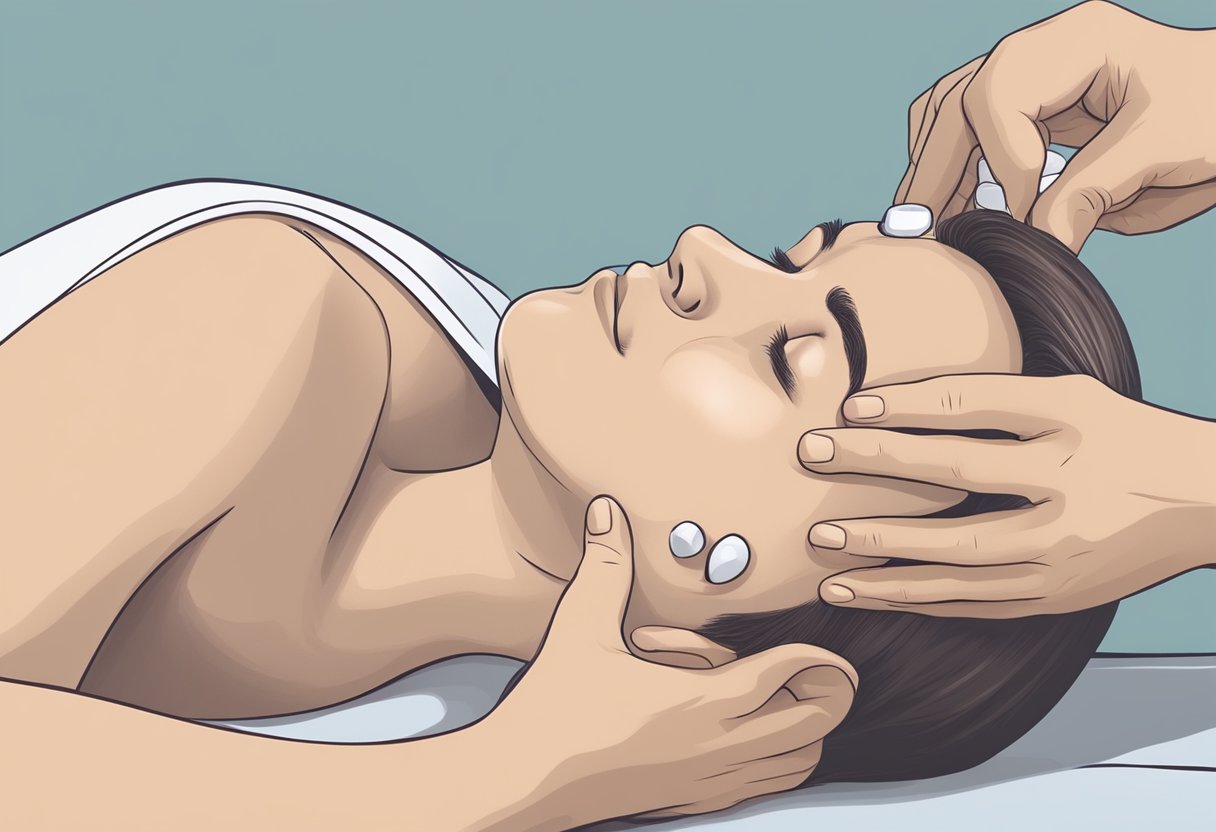
Osteopathy is a form of healthcare that focuses on diagnosing, treating, and preventing health problems by moving, stretching, and massaging a person’s muscles and joints. It emphasises the relationship between the structure and function of the body.
History and Development of Osteopathy
Osteopathy was founded in the late 19th century by Dr Andrew Taylor Still. He developed this approach as an alternative to the medical practices of his time, which he felt were ineffective. Dr Still believed that many diseases were due to problems in the musculoskeletal system.
In 1892, Dr Still established the first school of osteopathy in Kirksville, Missouri. Over time, osteopathy evolved and gained recognition, spreading from the United States to Europe and other parts of the world. It integrates both traditional and modern medical techniques, with a strong emphasis on hands-on care.
Principles of Osteopathic Medicine
Osteopathy is based on four key principles. First, the body is a unit; the person is a unit of body, mind, and spirit. Second, the body is capable of self-regulation, self-healing, and health maintenance. Third, structure and function are reciprocally interrelated.
Finally, rational treatment is based on the understanding of body unity, self-regulation, and the interrelationship of structure and function. Osteopaths use these principles to assess and treat their patients, aiming to restore balance and improve overall health.
Osteopathic Manipulative Treatment (OMT)
Osteopathic Manipulative Treatment (OMT) involves a range of hands-on techniques, including stretching, gentle pressure, and resistance. OMT can treat muscles, joints, and tissues, improving mobility and relieving pain. Osteopaths use OMT to support the body’s natural ability to heal itself.
OMT is particularly effective for musculoskeletal issues, such as back pain, neck pain, and headaches. Osteopaths tailor their techniques to each individual, taking into account their specific condition and needs. By addressing both structure and function, OMT can enhance overall health and wellbeing.
Understanding Headaches and Migraines
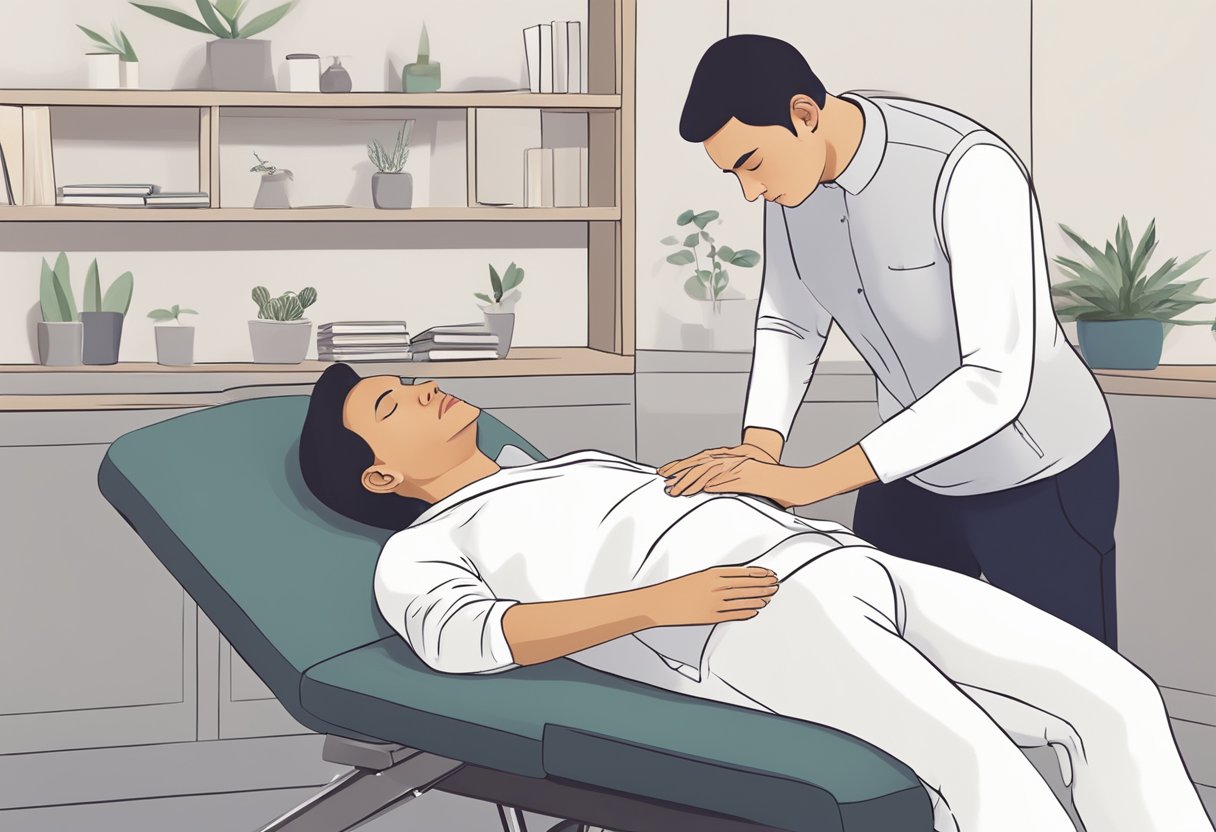
Headaches and migraines can disrupt daily life, with different types having distinct causes and symptoms. Many factors, such as stress, dehydration, and poor posture, contribute to these conditions.
Tension-Type vs. Cervicogenic vs. Cluster Headaches
Tension-type headaches are the most common and often feel like a tight band around your head. They can result from muscle tension, especially in the neck and shoulders, often due to stress or poor posture.
Cervicogenic headaches originate from issues in the neck, such as neck pain or trigger points in the cervical muscles. These headaches are often linked to trauma or a head injury.
Cluster headaches are less common but very severe. They occur in cyclical patterns or clusters. These headaches typically affect one side of the head and may be accompanied by tearing, nasal congestion, or restlessness.
Migraines With Aura and Without Aura
Migraines with aura involve visual disturbances, such as seeing flashing lights or zigzag lines, prior to the headache onset. Other sensory changes, like tingling in your hands or face, can also occur. This aura phase usually lasts about 20 to 60 minutes.
Migraines without aura do not have this warning phase. The headache phase in both types can last from a few hours to a few days and is often severe, throbbing, and usually affects one side of the head. Symptoms may include nausea, vomiting, and sensitivity to light and sound.
Factors Contributing to Headache and Migraine
Several factors can contribute to headaches and migraines. Stress is a major trigger, often leading to muscle tension and tension-type headaches. Poor posture can also cause chronic headaches by stressing the neck and upper back muscles.
Dehydration is another common cause, often resulting in dull and persistent headaches. Hormonal changes, diet, and environmental factors can also play a role. TMJ disorders, where the jaw joint is misaligned, can lead to chronic headaches due to the strain on the surrounding muscles and nerves. Finally, inflammation in the body can aggravate headaches and migraines.
Understanding these distinctions and factors is essential for identifying and managing your headache or migraine.
Osteopathic Approach to Headaches and Migraines
Osteopathy can help manage headaches and migraines through personalised treatment plans. This holistic approach includes manual techniques, exercise, lifestyle advice, and more.
Comprehensive Assessment and Individualised Treatment
Before treatment begins, an osteopath will perform a detailed assessment. They will look at your medical history, daily habits, and physical imbalances. This helps in identifying the root causes of your headaches or migraines.
The osteopath then creates a personalised treatment plan. This is tailored to your specific needs, aiming to reduce symptoms and improve quality of life. They may focus on areas like posture correction, relaxation techniques, and joint articulation.
Manual Techniques Employed in Osteopathy
Osteopaths use a variety of manual techniques to treat headaches and migraines. These may include soft tissue massage, joint manipulation, and myofascial release to reduce tension and improve blood flow.
Craniosacral therapy and other gentle techniques target the spine and head. This helps alleviate pressure on the vagus nerve and other neural pathways.
Trigger point therapy is employed to relieve pain in specific areas, providing quick relief for acute headaches.
Exercise and Stretching Recommendations
Exercise and stretching are key components of osteopathic treatment. Your osteopath may recommend specific exercises to strengthen neck and back muscles. This helps improve posture and reduce the risk of headaches.
Stretching routines aim to release tension in the shoulders, neck, and upper back. Regular exercise can also boost overall well-being and reduce frequency of migraines.
Incorporating these exercises into your daily routine can enhance the effectiveness of manual osteopathic treatments.
Lifestyle and Dietary Advice
Lifestyle and diet play a significant role in managing headaches and migraines. Osteopaths often provide guidance on stress management techniques, such as relaxation exercises and meditation.
Proper hydration and a balanced diet are crucial. Avoiding trigger foods can significantly reduce migraine occurrences.
Your osteopath may also advise on maintaining a regular sleep schedule and avoiding excessive screen time. These changes can make a noticeable difference in reducing headache and migraine frequency.
Integrating these lifestyle adjustments with osteopathic treatments can offer a holistic approach to headache relief.
Evaluating the Efficacy of Osteopathic Treatment
Osteopathic treatment has been shown to help reduce headache symptoms, decrease the frequency and severity of headaches, and lower medication use, leading to a better quality of life.
Relief in Symptoms and Pain Reduction
Osteopathic treatment can provide significant relief from headache symptoms. Techniques such as osteopathic manipulative treatment (OMT) involve gentle pressure and stretching to target soft tissues and muscles. This can help ease muscle tension and improve blood flow. According to a systematic review, OMT has been effective in reducing the intensity of both tension-type headaches and migraines. Patients often experience less pain and a decrease in associated symptoms such as nausea and sensitivity to light.
Impact on Frequency and Severity of Headaches
Osteopathy can also affect how frequently and severely you experience headaches. Studies suggest that regular osteopathic sessions might reduce the number of headache days per month. By addressing musculoskeletal issues that contribute to headaches, OMT can lead to fewer and less severe headache episodes. Research published on Medical News Today indicates that osteopathic treatments can lower inflammation, which may result in fewer flare-ups.
Reduction in Medication Use and Improvement in Quality of Life
One of the benefits of osteopathic treatment is reduced reliance on medications. Many people with frequent headaches or migraines depend heavily on painkillers and other drugs, which can have side effects. Through various techniques, osteopathy can decrease the need for these medications. A scoping review has shown that OMT not only helps manage headache symptoms but can also improve overall well-being. Patients report better sleep, reduced anxiety, and a higher overall quality of life due to decreased pain and medication use. By improving physical function and reducing stress, osteopathy helps you enjoy daily activities with less discomfort.
Frequently Asked Questions
Osteopathy for headaches and migraines involves different techniques and approaches. For treatment, osteopaths use manual therapy to address muscle tension, improve blood flow, and correct posture.
What techniques do osteopaths use to treat tension headaches?
Osteopaths employ soft tissue massage, stretching, and manipulation to relieve tension in the neck and upper back. These methods help ease muscle tightness, which is a common cause of tension headaches. They may also use gentle joint movements to restore proper function.
Can osteopathic manipulative treatment provide long-term relief from migraines?
Osteopathic manipulative treatment can offer long-term relief by addressing underlying issues such as muscle tightness and poor posture. Regular sessions may reduce the frequency and severity of migraines by improving overall body function and reducing stress on the musculoskeletal system.
In what ways can cranial osteopathy alleviate migraine symptoms?
Cranial osteopathy involves gentle techniques to balance the cranial bones and relieve tension in the head. This approach can help improve blood flow and reduce the sensitivity of the nerves, which may alleviate migraine symptoms. It is especially beneficial for people who experience migraines caused by tension in the head and neck.
Are cervical manipulations effective in addressing cervicogenic headaches?
Cervical manipulations can be effective for cervicogenic headaches, which are headaches originating from the neck. Osteopaths adjust the cervical spine to relieve pressure and correct misalignments. This can ease pain and reduce the occurrence of these headaches.
What differences exist between osteopathic and chiropractic approaches to migraine treatment?
Osteopaths use a holistic approach, focusing on the body’s overall health and employing gentle techniques. Chiropractors typically emphasise spinal adjustments. While both aim to relieve headaches, osteopathy often includes a wider range of manual therapy techniques and may address additional factors like posture and muscle function.
How quickly can one expect relief from headaches after visiting an osteopath?
The time it takes to feel relief can vary. Some people may experience immediate improvement, while others might need several sessions. Factors like the type and severity of the headache and the individual’s overall health play a role.
Total Health Clinics – Click on any of the links below for direct access to the clinic and treatment that you need:
Cambridge chiro, Cambridge physio, Cambridge osteo, Cambridge massage, Peterborough chiro, Peterborough physio, Peterborough osteo, Peterborough massage Kings Lynn chiro, Kings Lynn osteo, Kings Lynn massage and Kings Lynn physio
