
Neck pain is a common issue, affecting up to 70% of people at some point in their lives. More people are turning to osteopathy for relief from chronic neck pain, and interest in the role of osteopathy continues to grow as an alternative to conventional treatments. Osteopathy offers a range of manual therapies designed to reduce pain and improve function, making it a promising option for those seeking non-invasive care.

Evidence suggests that osteopathic manipulative treatment (OMT) can significantly alleviate pain and disability in individuals with chronic neck pain. Techniques used in osteopathy work by improving blood flow, reducing muscle tension, and enhancing movement in the neck area. These methods not only target pain relief but also aim to improve the patient’s overall well-being.
For those considering osteopathic treatment for neck pain, it’s important to understand its effectiveness and safety. Research highlights that OMT is safe and can be as effective as other manual therapies. Patients should talk with their healthcare providers about integrating osteopathy into their treatment plans to achieve the best results.
Key Takeaways
- Osteopathy can effectively reduce chronic neck pain.
- Osteopathic techniques improve blood flow and reduce muscle tension.
- Osteopathic treatments are safe and can be integrated into overall care plans.
Understanding Neck Pain and Osteopathy

Neck pain is a common issue many people face, often caused by various factors like muscle strain or poor posture. Osteopathy provides a holistic approach to managing neck pain through specific techniques.
The Basics of Neck Pain
Neck pain can stem from different sources including poor posture, muscle strain, or injuries. It’s often classified as nonspecific neck pain when there is no clear underlying cause. This kind of pain can be persistent and may affect your daily activities. You might experience stiffness, reduced range of motion, or even headaches. Effective management is crucial as chronic neck pain can lead to long-term discomfort and disability.
Osteopathy: Principles and Practices
Osteopathy is based on the principle that the body’s structure and function are interrelated. Osteopaths use their hands to diagnose and treat musculoskeletal pain. They focus on improving the body’s natural ability to heal itself. Techniques include stretching, massaging, and manipulating muscles and joints. This approach aims to restore balance and improve mobility. It’s especially beneficial for those experiencing chronic pain and somatic dysfunction, which involves impaired or altered function of body structures.
Identifying Osteopathic Manipulative Treatment
Osteopathic Manipulative Treatment (OMT) involves hands-on care where osteopaths use their hands to diagnose, treat, and prevent illness or injury. For neck pain, OMT can help alleviate discomfort and improve function. Techniques may include gentle pressure, stretching, and resistance. Studies highlight that OMT can lessen pain and disability, enhancing overall quality of life. For example, OMT has been shown to improve neck muscle function and reduce symptoms like fatigue and depression. This makes it a valuable treatment option for persistent neck pain.
Understanding these aspects can help you navigate treatment options effectively if you are dealing with neck pain.
Clinical Evidence in Osteopathic Treatment
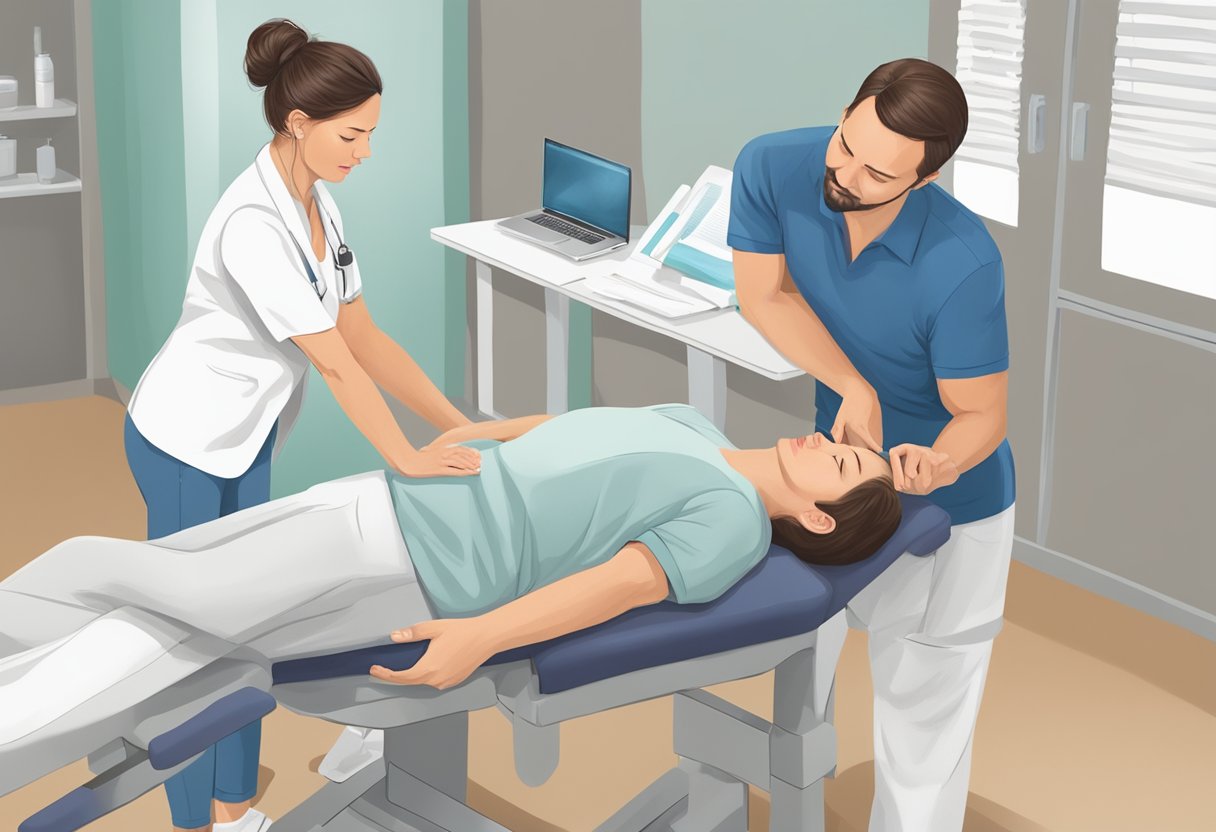
Clinical evidence shows that osteopathic treatment can be effective for neck pain. Researchers have conducted various studies, including systematic reviews, randomised controlled trials, and meta-analyses, to evaluate its efficacy and safety.
Systematic Review Outcomes
Several systematic reviews have examined the effectiveness of osteopathic treatment for chronic neck pain. These reviews compile data from multiple studies to provide a comprehensive view of the treatment’s impact. Studies indicate that osteopathy can improve functional status and reduce pain.
Adverse events were generally minimal, with most patients reporting mild to moderate side effects. The evidence from systematic reviews supports the use of osteopathic techniques, though the quality of primary studies varies.
Efficacy of Osteopathic Manipulative Treatment
Osteopathic manipulative treatment (OMT) has been shown to help alleviate neck pain. OMT involves using hands-on techniques to treat musculoskeletal conditions. Research has demonstrated significant reductions in neck pain intensity and improved mobility.
The treatment’s effect size—a measure of its impact—varies between studies but generally indicates a positive outcome. Patients often report better functional status following OMT. Despite positive findings, more high-quality studies are needed to confirm these results.
Meta-Analysis and Randomised Controlled Trials
Meta-analyses and randomised controlled trials (RCTs) play a crucial role in understanding osteopathic treatment’s effectiveness. By analysing data from multiple RCTs, meta-analyses provide robust evidence of treatment effects.
RCTs have tested OMT against various control groups, showing that OMT can significantly reduce chronic neck pain. Using GRADE criteria, the quality of evidence varies, with some studies showing strong results while others have limitations. Generally, adverse events are low, making OMT a safe option for many patients.
In conclusion, the clinical evidence, including systematic reviews, RCTs, and meta-analyses, supports the efficacy of osteopathic treatment for neck pain. While positive, ongoing research is essential to further validate these findings.
Osteopathic Techniques for Neck Pain Management
Osteopathy offers a range of techniques to manage neck pain, focusing on manual interventions aimed at reducing pain and improving function. Key methods include mobilisation and manipulation, myofascial release, and specific stretching and massage techniques.
Mobilisation and Manipulation Techniques
Mobilisation and manipulation are core osteopathic practices. They involve applying gentle pressure and movements to the neck joints and tissues.
Mobilisation typically uses slow, controlled movements to increase range of motion and alleviate stiffness. It’s effective for chronic nonspecific neck pain. For example, a practitioner might gently stretch or rotate the neck to enhance flexibility.
Manipulation involves sharper, more directed force, often producing a “cracking” sound. These techniques aim to realign the spine and reduce nerve irritation, potentially decreasing pain and improving neck function.
Myofascial Release Methods
Myofascial release involves working on the myofascial tissues, the connective tissues surrounding muscles throughout the body.
During a session, an osteopath applies sustained pressure to areas of tightness or discomfort in the neck. This technique helps in reducing tension and improving blood flow, aiding in the management of pain and functional impairments.
Effective myofascial release can enhance overall neck muscle mobility, which can reduce chronic pain. Specific hand placements and pressures are key to targeting the right areas and achieving the desired effects.
Stretching and Massage for Neck Discomfort
Stretching and massage are supportive techniques in osteopathy. These methods focus on relaxing and lengthening muscle tissues to alleviate tension and discomfort.
Stretching exercises designed for neck pain may include slow, deliberate movements to lengthen muscles and improve flexibility. Regular practice can help maintain neck health and prevent pain recurrence.
Massage techniques for the neck focus on relaxing tight muscles, enhancing circulation, and reducing stress. Soft tissue manipulation through massage can relieve tension and enhance relaxation, contributing to pain relief and functional improvements.
Each technique targets specific aspects of neck pain, from mobility to muscle tightness, providing a comprehensive approach to relief and management.
Practical Considerations and Safety
When considering osteopathic treatment for neck pain, there are several practical aspects to keep in mind. It’s important to understand when osteopathic care is appropriate, how safe it is, and how it can complement conventional treatments.
When to Seek Osteopathic Care
You might consider seeking osteopathic care if you experience chronic neck pain that doesn’t improve with standard treatments. Individuals with conditions such as scoliosis, arthritis, or persistent muscular pain may find relief through osteopathic manipulative treatment (OMT), which focuses on improving the overall function of your musculoskeletal system.
Seek care if your pain is affecting daily activities or causing depression. OMT can help reduce pain levels and improve mobility, potentially decreasing disability. Make sure to choose a licensed and experienced osteopath to ensure proper care and management of your symptoms.
Understanding Safety and Potential Adverse Events
OMT is generally safe and effective for many patients, including those with chronic neck pain. Studies indicate that OMT can alleviate pain and improve functional outcomes. However, it’s important to be aware of potential adverse events.
While serious complications are rare, some patients may experience temporary soreness or discomfort following treatment. In rare cases, spinal manipulation can lead to more significant issues, so it’s crucial to discuss any concerns with your osteopath. Ensure they are aware of your complete medical history to mitigate risks and tailor treatments to your needs.
Integrating Osteopathy with Conventional Treatments
OMT can be effectively integrated with other conventional treatments for comprehensive pain management. Combining osteopathic treatment with physical therapy, medication, or even surgical options can yield better outcomes for chronic neck pain sufferers.
For instance, incorporating osteopathic techniques alongside physiotherapy can enhance muscle function and reduce pain more effectively than either treatment alone. This integrated approach can be particularly beneficial for managing conditions like arthritis and ensuring long-term pain relief and functional improvement. Always work with your healthcare team to create a balanced treatment plan that addresses all aspects of your health.
Frequently Asked Questions
Osteopathy is often sought for managing neck and shoulder pain. This section addresses common questions about what to expect from osteopathic treatments, how they work, and the differences between osteopathy and chiropractic care.
What can I expect from osteopathy treatment for neck and shoulder discomfort?
During an osteopathy session for neck and shoulder pain, expect a thorough assessment. The osteopath will look at your posture, mobility, and medical history. Treatments often include gentle manual techniques such as stretching, massage, and mobilisation aimed at relieving discomfort and promoting healing.
How does osteopathic manipulation aim to relieve neck pain?
Osteopathic Manipulative Treatment (OMT) involves using hands-on techniques like massage and muscle manipulation. These methods aim to increase joint mobility, enhance blood flow, reduce muscle tension, and decrease inflammation. By directly interacting with your nervous system, OMT helps to alleviate neck pain and promote healing.
What distinguishes osteopathy from chiropractic care in the context of neck ailments?
The main difference between osteopathy and chiropractic care lies in their approach and techniques. Osteopaths use a broader range of techniques and often focus on the body as a whole, while chiropractors typically specialise in spinal adjustments. Osteopaths also tend to use gentler manipulation, addressing not only the spine but also muscles and joints.
What are the potential benefits and drawbacks of seeking osteopathic care for pain in the neck?
The benefits of osteopathic care include a holistic approach that addresses the entire body, potentially providing relief for a wide range of symptoms beyond just neck pain. Drawbacks may include the need for multiple sessions to achieve lasting results. It’s also crucial to find a qualified practitioner to ensure safe and effective treatment.
Which is more effective for treating neck pain, an osteopath or a chiropractor?
Effectiveness can vary depending on the individual’s condition. Osteopaths and chiropractors both offer effective treatments for neck pain but use different approaches. Some people may respond better to the whole-body focus of osteopathy, while others may benefit more from the spinal adjustments provided by chiropractors.
What qualifications and experience should I look for in an osteopath for neck pain management?
When looking for an osteopath, ensure they are registered with a professional body, such as the General Osteopathic Council in the UK. Check for relevant qualifications, such as a degree in osteopathy, and look at their experience in treating neck pain. Testimonials and reviews can also provide insight into their effectiveness and patient satisfaction.
Total Health Clinics – Click on any of the links below for direct access to the clinic and treatment that you need:
Cambridge chiro, Cambridge physio, Cambridge osteo, Cambridge massage, Peterborough chiro, Peterborough physio, Peterborough osteo, Peterborough massage Kings Lynn chiro, Kings Lynn osteo, Kings Lynn massage and Kings Lynn physio
