
Living with arthritis can be challenging, but you don’t have to face it alone. Osteopathic care offers a holistic approach to managing arthritis, providing relief from pain and improving your quality of life. Osteopathy focuses on treating the whole body, not just the symptoms, to help you manage arthritis more effectively.
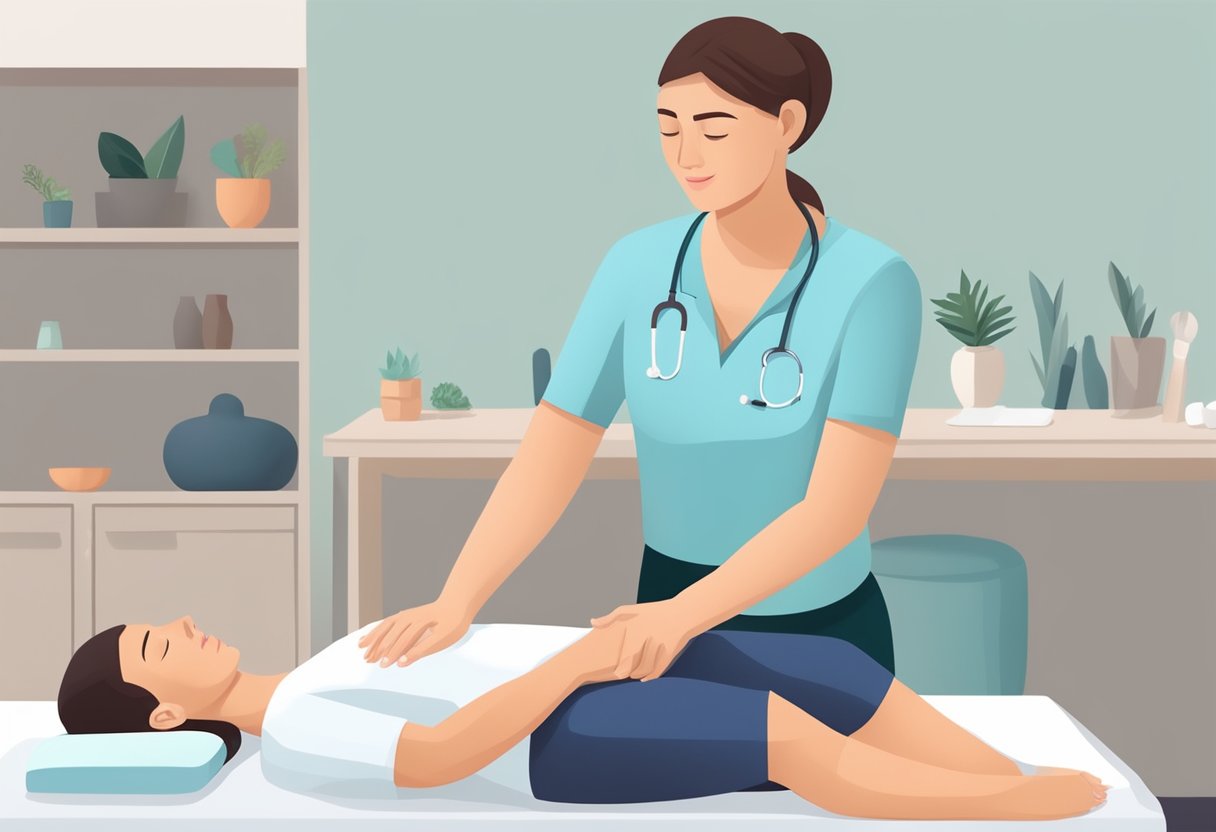
Osteopaths use manual therapy techniques, such as gentle stretching and manipulation, to improve joint mobility and reduce pain. Combining osteopathic care with other medical treatments and lifestyle changes, such as exercise and a balanced diet, can significantly enhance your arthritis management. For many, the integration of these approaches has led to a noticeable improvement in their daily activities.
Exploring osteopathic care for arthritis also opens up avenues for personalised treatment plans tailored to your specific needs. This collaborative approach ensures that you receive comprehensive support, helping you to maintain an active and fulfilling lifestyle despite your arthritis.
Key Takeaways
- Osteopathy treats the whole body to manage arthritis.
- Manual therapy improves joint mobility and reduces pain.
- Personalised treatment plans enhance arthritis management.
Understanding Arthritis and Its Impacts on Joints
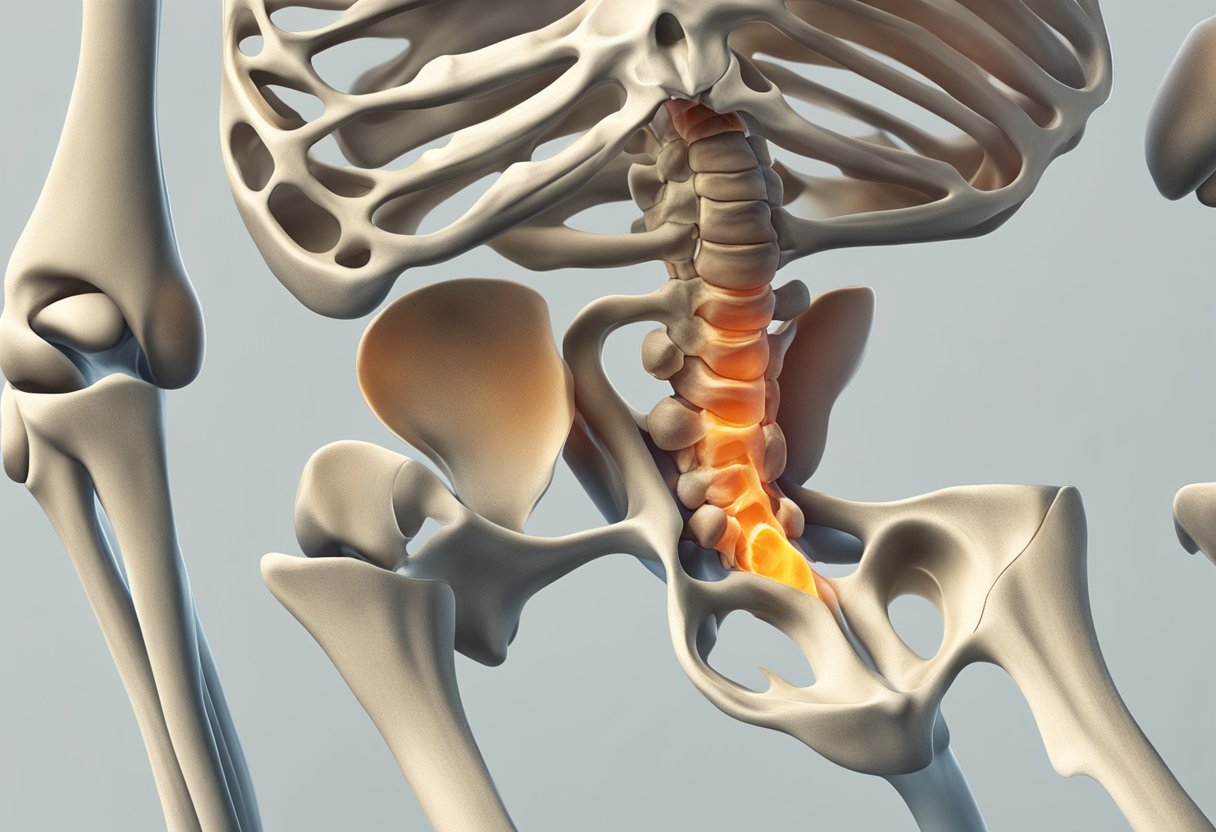
Arthritis affects millions, causing pain and inflammation in the joints, limiting mobility, and reducing overall quality of life. It is critical to understand the types and symptoms of arthritis and how a healthy lifestyle can manage these conditions.
Types of Arthritis and Common Symptoms
There are many types of arthritis, but the two most common are osteoarthritis and rheumatoid arthritis.
Osteoarthritis is a degenerative joint disease where cartilage wears down over time. It mostly affects joints like the knees, hips, and hands. Common symptoms include joint pain, stiffness, and reduced mobility.
Rheumatoid arthritis is an autoimmune disorder where the immune system mistakenly attacks the joints, leading to inflammation. It often begins in smaller joints, such as those in the hands and feet, and can cause swelling, pain, and decreased joint function.
Other symptoms of arthritis can include joint redness and warmth, and in severe cases, deformities. It’s essential to know these signs for timely medical intervention.
Role of Healthy Lifestyle in Managing Arthritis
Maintaining a healthy lifestyle is pivotal in managing arthritis symptoms and ensuring joint health.
Regular Exercise: Engaging in low-impact activities such as swimming, walking, or biking strengthens muscles around the joints and promotes flexibility.
Balanced Diet: Eating foods rich in anti-inflammatory properties, such as fish high in omega-3 fatty acids and vegetables, can reduce joint inflammation.
Weight Management: Keeping a healthy weight reduces stress on weight-bearing joints like the knees and hips. This helps in alleviating joint pain and improving mobility.
Joint Care Techniques: Using both hands to carry items or using a rucksack can help distribute weight evenly, and utilising padded handles can reduce grip strain.
By adopting these lifestyle habits, you can manage arthritis more effectively, lessening the impact on your daily life.
Osteopathic Approaches to Managing Arthritis

Osteopathy offers a holistic approach to alleviating arthritis symptoms. Key techniques include treating joint pain, exercise and movement therapies, and manual therapy.
The Principles of Osteopathy in Treating Joint Pain
The goal is to enhance the body’s ability to heal itself. Osteopaths focus on improving joint function and reducing pain. This is achieved through techniques like gentle stretching and manipulation. The approach considers overall health, including diet and lifestyle. Diagnostic tools help tailor treatments to each person’s unique conditions.
Osteopathy emphasizes the connection between the body’s structure and function. Joint mobility is enhanced, leading to better blood flow and reduced inflammation. This approach also addresses muscle stiffness and spasm, which are common in arthritis sufferers.
Exercise and Movement Therapies
Exercise is vital in managing arthritis. Osteopaths often prescribe specific exercises to improve mobility. These exercises are designed to be low-impact, reducing stress on joints. Swimming and cycling are common recommendations. They offer cardiovascular benefits without overloading the joints.
Stretching exercises help maintain flexibility. Regular movement prevents stiffness and keeps muscles strong. This can slow down the degenerative process of arthritis. Exercises are monitored and adjusted according to progress and symptoms. This personalised approach ensures safety and effectiveness.
Manual Therapy and Other Osteopathic Treatments
Manual therapy involves hands-on techniques. These include massage, stretching, and joint manipulation. It aims to improve circulation and relieve pain. Techniques are gentle to avoid aggravating arthritis symptoms. Osteopaths use their hands to detect and correct issues in the musculoskeletal system.
Other treatments may include ultrasound therapy and heat or cold application. These methods help reduce inflammation and pain. Ultrasound therapy uses sound waves to promote tissue healing. Heat application can relax muscles, while cold application reduces swelling. Each treatment is chosen based on the specific needs of the patient, ensuring a tailored approach to managing arthritis.
Integrating Medical and Lifestyle Interventions
Managing arthritis effectively often requires a combination of medical treatments and lifestyle changes. Addressing diet, medication, and the potential need for surgery can help enhance overall function and pain relief.
Diet and Weight Management Strategies
Maintaining a healthy weight is essential for managing osteoarthritis. Extra weight puts more stress on your joints, especially your knees and hips. Weight loss through a balanced diet and regular physical activity can reduce pain and improve movement.
Your diet should include plenty of fruits, vegetables, and whole grains. Omega-3 fatty acids found in fish like salmon can help reduce inflammation. It’s wise to limit intake of saturated fats, often found in red meat and full-fat dairy products.
Consider adding supplements like glucosamine and chondroitin, which some studies suggest might help with joint health. Consult your doctor to ensure these supplements are safe and appropriate for you.
Medications and Complementary Therapies
Medications such as NSAIDs (Non-Steroidal Anti-Inflammatory Drugs) are often used for pain relief in osteoarthritis. Over-the-counter options include ibuprofen and naproxen, but stronger prescriptions may be necessary in severe cases.
Topical treatments like creams or gels containing capsaicin can also provide pain relief. Some patients may benefit from hyaluronic acid injections, which can lubricate the joint and reduce pain.
Complementary therapies such as physical therapy, acupuncture, and massage can offer additional relief. These therapies may improve function and reduce discomfort by targeting specific pain points.
Surgical Options and When to Consider Them
When lifestyle changes and medications fail to provide adequate relief, surgery might be considered. Knee replacement surgery and hip replacement surgery are common for those with severe joint damage.
Arthroscopy, a less invasive option, might be used to clean out the joint and remove damaged tissue. It’s important to discuss the risks and benefits of surgical options with your healthcare provider.
Surgery is usually a last resort after all other treatments have been tried. It’s considered when pain persists despite other interventions, and your ability to perform daily activities is significantly impaired.
Support and Resources for Arthritis Management
Accessing the right resources and support is crucial for managing arthritis effectively. Professional care and self-management techniques both play key roles in helping you live a more comfortable and active life.
Accessing Professional Care and Support
If you have arthritis, it’s important to get professional care. Primary care providers like General Practitioners (GPs) can offer initial guidance and may refer you to specialists. You might benefit from seeing a physical therapist or occupational therapist, who can help with exercises and techniques to reduce pain.
The NHS offers resources and support for people with arthritis, including medication and lifestyle advice. Additionally, organisations like the National Institute for Health and Care Excellence (NICE) provide guidelines for managing arthritis. These resources can help you find the right treatments and support options.
Self-Management Techniques and Tools
Managing arthritis often involves taking an active role in your own care. Self-management programs, such as those offered by Arthritis Action, can be very helpful. These programs teach you how to handle both the physical and mental aspects of arthritis.
Using assistive devices can also make daily activities easier. Simple tools like jar openers or grab handles can reduce strain on your joints. Subscribing to resources like the Living Your Yes! e-newsletter can keep you updated on new treatments and management techniques.
Exercise and maintaining a healthy weight are key self-management strategies. Regular physical activity can help improve joint function and reduce pain, making it easier for you to stay active and maintain your quality of life.
Frequently Asked Questions
Learn about the various treatments, the ability of osteopaths to diagnose arthritis, and the effectiveness of osteopathic treatments for different types of arthritis.
What treatments are available for arthritis through osteopathy?
Osteopathy offers treatments like joint manipulation, massage, and exercises to improve mobility and reduce pain. These methods aim to enhance overall body function, ensuring that your joints and tissues work in harmony.
Is it possible for an osteopath to provide a diagnosis for arthritis?
Osteopaths can assess your condition and recognise symptoms of arthritis. They often work in conjunction with your GP or a specialist to confirm a diagnosis through imaging tests or blood work, ensuring accurate identification and treatment of your arthritis.
How effective is osteopathic treatment for knee arthritis?
Osteopathic treatment can be quite effective for knee arthritis. Techniques such as joint mobilisation and muscle strengthening exercises help to reduce pain and improve joint function. Regular sessions may also slow the progression of the condition.
Does osteopathy offer relief for symptoms of rheumatoid arthritis?
Osteopathy can provide relief for rheumatoid arthritis symptoms. Through gentle manipulative techniques and exercises, an osteopath can help ease joint stiffness and pain, although it is usually a complementary therapy to medical treatments like medication.
Can osteopathic management alleviate pain associated with arthritis in the feet?
Yes, osteopathic treatment can help manage arthritis pain in the feet. Techniques to improve foot alignment, enhance mobility, and reduce stress on the joints are commonly used. This can lead to significant improvements in daily activities and walking comfort.
What are the latest advancements in the treatment of arthritis?
Recent advancements include new NICE guidelines which focus on exercise for managing osteoarthritis. Self-management through supported exercise and weight control is increasingly emphasised to help reduce arthritis symptoms and improve quality of life.
Total Health Clinics – Click on any of the links below for direct access to the clinic and treatment that you need:
Cambridge chiro, Cambridge physio, Cambridge osteo, Cambridge massage, Peterborough chiro, Peterborough physio, Peterborough osteo, Peterborough massage Kings Lynn chiro, Kings Lynn osteo, Kings Lynn massage and Kings Lynn physio
