
Chiropractic care is a form of healthcare that focuses on diagnosing and treating musculoskeletal disorders, primarily through spinal manipulation. If you suffer from back or neck pain, poor posture, or even certain chronic conditions, chiropractic care might offer relief. Chiropractic techniques can improve mobility, reduce pain, and enhance your overall quality of life.
Chiropractors use various methods like hands-on manipulation, therapeutic exercises, and lifestyle advice to treat their patients. These techniques aim to adjust misaligned bones and tight muscles, providing relief from discomfort and improving function. Chiropractors can also help manage conditions such as arthritis and fibromyalgia, broadening the scope of their treatments to other areas of your health.
Understanding what chiropractic care entails and its potential benefits can help you decide if it’s the right choice for you. From acute pain relief to long-term management of chronic issues, chiropractic care offers numerous health benefits that cater to diverse needs.
Key Takeaways
- Chiropractic care involves spinal manipulation and therapeutic exercises.
- It can improve mobility, reduce pain, and treat chronic conditions.
- Chiropractors offer tailored treatments, promoting overall well-being.
Understanding Chiropractic Care
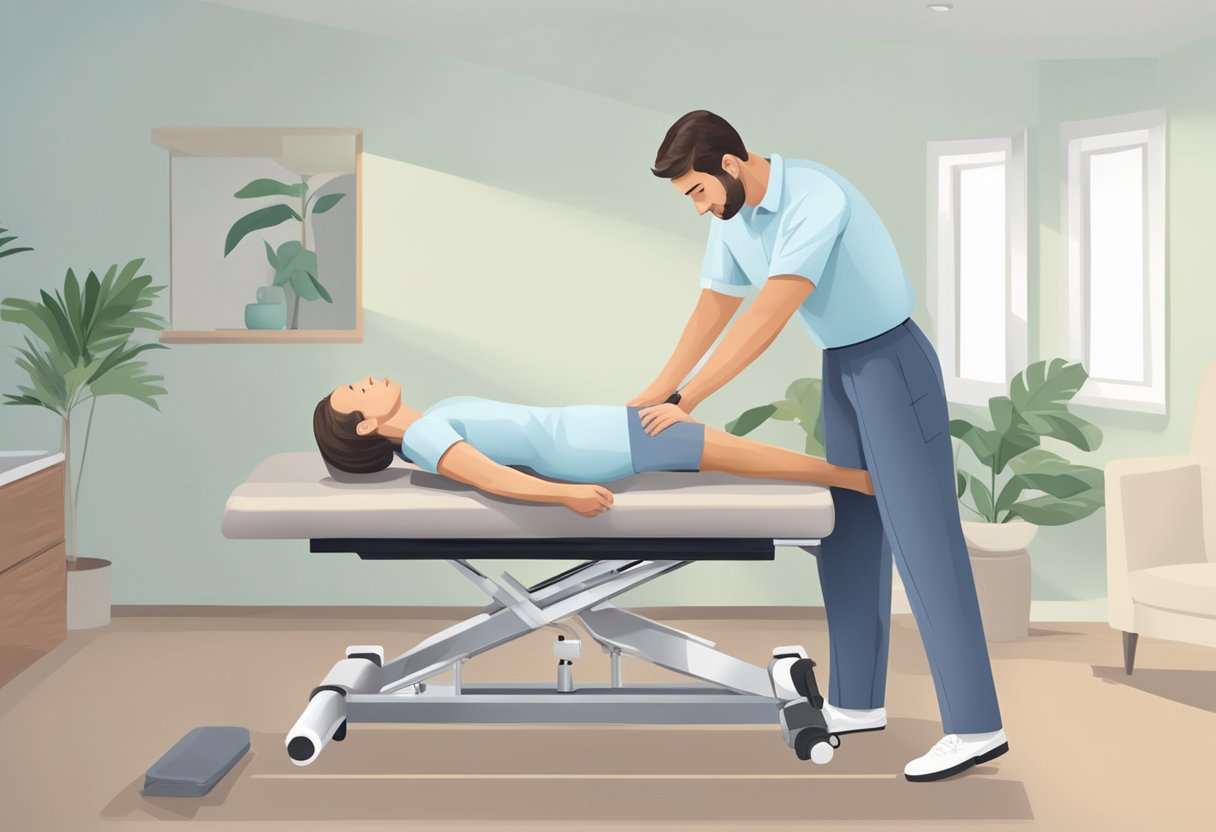
Chiropractic care focuses on the diagnosis, treatment, and prevention of musculoskeletal disorders, primarily through manual manipulation of the spine. It emphasises the body’s inherent ability to heal itself without medication or surgery.
History and Principles of Chiropractic
Chiropractic care originated in 1895 when Daniel David Palmer performed the first spinal adjustment. He believed that spinal misalignments impact overall health by obstructing nerve function. This principle, called vertebral subluxation, is central to chiropractic care.
Today, chiropractors use various techniques to correct these misalignments. These techniques are aimed at enhancing mobility, reducing pain, and improving overall bodily function. Evidence-based practices and patient-centric care are vital to modern chiropractic.
Chiropractors: Qualifications and Training
To become a licensed chiropractor, individuals must obtain a Doctor of Chiropractic (DC) degree. This typically involves completing a four-year programme at an accredited chiropractic college. Courses cover subjects such as anatomy, physiology, and nutrition.
Post-graduation, aspiring chiropractors must pass national board exams and meet additional requirements set by regulatory bodies like the General Chiropractic Council (GCC) in the UK. Continuing education ensures that chiropractors stay updated with the latest techniques and research.
How Chiropractic Differs from Other Medical Treatments
Chiropractic care is distinctive in its focus on manual adjustments and holistic health. Unlike conventional medicine, which often relies on pharmaceuticals and surgery, chiropractic emphasises non-invasive treatments. Adjustments aim to restore spinal alignment, improving the body’s function and alleviating pain.
Chiropractors under entities like the American Chiropractic Association prioritise patient education and lifestyle advice. They guide patients on exercises, postural improvements, and dietary changes, promoting long-term wellness. This integrative approach differentiates chiropractic from other medical treatments.
Chiropractic Techniques and Treatments
Chiropractic care involves a variety of techniques and treatments aimed at reducing pain, improving function, and enhancing mobility. These methods are designed to address specific ailments and promote overall well-being without the use of drugs or surgery.
Spinal Manipulation and Adjustment
Spinal manipulation, also known as chiropractic adjustment, is a core technique used by chiropractors. During this procedure, a chiropractor uses their hands or small instruments to apply a controlled, sudden force to a spinal joint. The goal is to improve spinal motion and the body’s physical function. This technique can relieve pressure on nerves, reduce inflammation, and improve function.
Manipulation is generally safe when performed by a trained chiropractor. Some people may experience mild side effects like stiffness or aches, which typically subside within a few days. The British Chiropractic Association highlights that this method helps in managing conditions such as back pain, neck pain, and headaches.
Additional Therapies in Chiropractic Care
Chiropractic care often includes additional therapies to support spinal manipulation. These can include massage, stretching, and therapeutic exercise. Massage can help relax muscles and improve blood flow, making the chiropractic adjustments more effective. Stretching exercises are designed to enhance flexibility and prevent muscle tightness.
Some chiropractors may offer acupuncture as part of their treatment plans. This technique involves inserting thin needles into specific points on the body to relieve pain. Certain practices might also incorporate heat and cold therapy to reduce swelling and enhance healing. According to Simplyhealth, these therapies aim to provide a holistic approach to pain relief.
Personalised Treatment Plans
A key aspect of chiropractic care is the creation of personalised treatment plans tailored to your specific needs. These plans typically start with an initial assessment to understand your health history and current issues. The chiropractor will then outline a treatment plan that might include a combination of spinal manipulation, exercise, and lifestyle advice.
Regular follow-ups are common to adjust the treatment as needed. Chiropractors might also provide advice on posture, ergonomics, and nutrition to support your recovery. The NHS states that such customised plans help in managing various conditions effectively while also promoting long-term health benefits.
Conditions Treated by Chiropractic Care
Chiropractic care can help with a variety of physical conditions, primarily focusing on issues related to the musculoskeletal system. It addresses problems that affect your joints, muscles, and nerves, providing relief and improving mobility.
Back and Neck Conditions
Chiropractors often treat back pain and neck pain. Techniques such as manual manipulation aim to correct misalignments in the spine. These adjustments can alleviate pain and stiffness in your lower back and neck, helping to improve your posture and range of motion.
Regular treatments may also help manage conditions like herniated disks and sciatica by reducing pressure on the nerves and decreasing inflammation.
Headaches and Chronic Pain
If you suffer from frequent headaches or chronic pain, chiropractic care may offer relief. Misalignments in your spine can contribute to tension and migraine headaches. Through spinal adjustments, chiropractors can reduce this tension, potentially decreasing the frequency and intensity of your headaches.
Chiropractic care also helps manage chronic pain by focusing on the root cause, often found in the musculoskeletal system. Natural pain relief techniques can reduce your need for medication.
Musculoskeletal and Nerve Issues
Chiropractic treatments are effective for various musculoskeletal and nerve issues. This includes conditions like arthritis, where adjustments can improve joint function and decrease aches and stiffness. Your chiropractor can also provide exercises to strengthen the muscles supporting your joints.
For nerve-related problems, such as numbness or tingling, spinal adjustments might relieve pressure on the affected nerves, improving function and reducing discomfort. Chiropractors often advise on lifestyle changes that support long-term musculoskeletal health.
By addressing these specific conditions, chiropractic care aims to enhance your overall well-being and mobility.
Safety and Benefits of Chiropractic Care
Chiropractic care is known for reducing pain and improving overall wellbeing. While it is effective, understanding the risks and how they’re managed can help ensure a positive experience. Different populations, from children to pregnant women, can benefit from tailored chiropractic care.
Effectiveness and Positive Outcomes
Chiropractic care can significantly reduce pain in the neck, back, and joints. It is also known to relieve headaches and migraines. Many patients report better posture and improved movement. Athletes may find enhanced performance and quicker healing from injuries.
Chiropractic care can also help manage blood pressure. By improving spine alignment, stress on the nervous system is reduced, aiding in regulating blood pressure levels. Improvements in mental health like reduced stress and anxiety are also noted.
Potential Risks and How They Are Mitigated
Chiropractic care is generally safe but does come with potential risks. Some people might experience mild side effects such as aches, stiffness, and tiredness, which usually pass within a few days. Serious complications, though rare, can occur.
Mitigation involves choosing a trained and registered chiropractor. They conduct thorough assessments to tailor treatments to your needs, ensuring that your care plan minimises risks. Good communication between you and your chiropractor is vital in addressing any concerns promptly.
Chiropractic Care Across Different Populations
Different age groups and life stages can benefit uniquely from chiropractic care. Children can experience better posture and relief from growing pains. Chiropractic adjustments can support athletes by enhancing performance and preventing injuries.
During pregnancy, chiropractic care can relieve pressure and pain in the back and hips, promoting a healthier pregnancy. Adults can find substantial pain relief and improved function in daily activities. Additionally, some health insurance plans may cover chiropractic services, making it more accessible.
Frequently Asked Questions
Chiropractic care can offer various benefits and some risks. It can aid in relieving lower back pain and improve overall health. Some may seek care without specific complaints, while medical opinions on chiropractic vary. Common side effects include mild aches and tiredness.
What are the potential risks and disadvantages of chiropractic treatment?
Chiropractic treatment is generally safe when performed by a trained professional. Common side effects include aches, pains, stiffness, and tiredness. These usually pass in a few days. In rare cases, more serious problems can occur. For detailed information on risks, visit NHS on chiropractic.
How might chiropractic adjustments aid in the relief of lower back pain?
Chiropractors believe that a properly aligned spine can alleviate lower back pain by reducing pressure on the sciatic nerve. Care usually includes manual adjustments to improve spinal alignment. Find more details on effective chiropractic care for lower back pain at Thame Chiropractic Clinic.
Can individuals seek chiropractic care without a specific health complaint?
Yes, individuals can seek chiropractic care even without specific health issues. Some choose it for preventative measures or general wellness. Chiropractors may offer free consultations to discuss potential benefits. More information can be found at the General Chiropractic Council.
What are the general opinions of medical doctors regarding chiropractic practitioners?
Medical opinions on chiropractic care vary. Some doctors see its benefits, especially for musculoskeletal issues, while others may be cautious due to the lack of extensive scientific evidence. For further insights, refer to Health Central on chiropractic.
How does chiropractic care contribute to overall health and well-being?
Chiropractic care aims to improve overall health by enhancing spinal alignment and nervous system function. It may boost mobility, reduce pain, and support the body’s natural healing processes. Additional information is available at Northeast Spine and Sports.
What are the common side effects experienced after a chiropractic session?
Common side effects after a chiropractic session can include mild aches, stiffness, and tiredness. These are usually temporary and subside within a few days. Serious side effects are rare. Read more on this topic at NHS on chiropractic.
Total Health Clinics – Click on any of the links below for direct access to the clinic and treatment that you need:
Cambridge chiro, Cambridge physio, Cambridge osteo, Cambridge massage, Peterborough chiro, Peterborough physio, Peterborough osteo, Peterborough massage Kings Lynn chiro, Kings Lynn osteo, Kings Lynn massage and Kings Lynn physio
