
Osteopathy is a type of healthcare that focuses on your muscles, bones, and joints. This practice includes moving, stretching, and massaging to help your body heal. By addressing the root causes of pain and discomfort, osteopathy can improve your overall health and well-being.
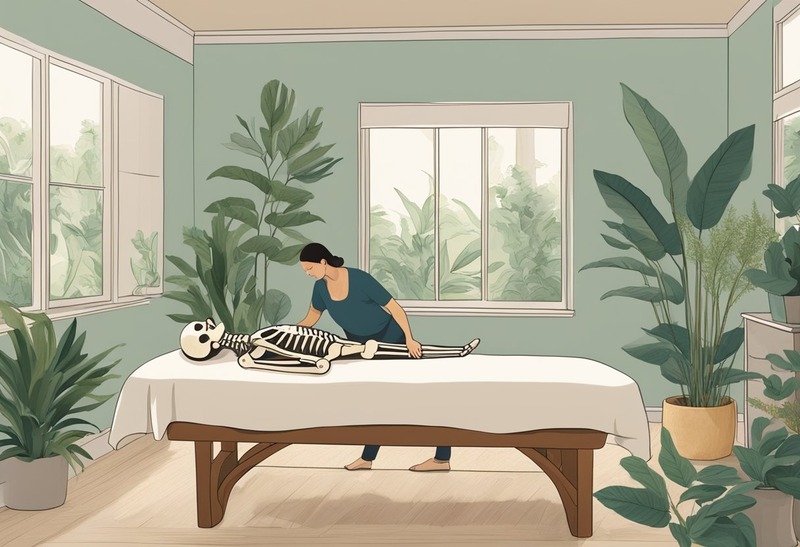
Many people visit osteopaths for conditions like lower back pain, neck pain, and joint issues. Osteopaths use techniques such as physical manipulation and massage to increase joint mobility and relieve muscle tension. They may also suggest exercises and posture advice to prevent symptoms from coming back.
During a visit to an osteopath, you will discuss your symptoms and history. The osteopath will assess your body and create a tailored treatment plan. This might involve hands-on treatment, advice on lifestyle changes, and potentially recommending further tests if needed. You can learn more about the specific practices of osteopathy on the NHS website.
Key Takeaways
- Osteopathy focuses on treating muscles, bones, and joints.
- Techniques involve physical manipulation, stretching, and massage.
- Osteopaths create personalised treatment plans for patients.
Understanding Osteopathy
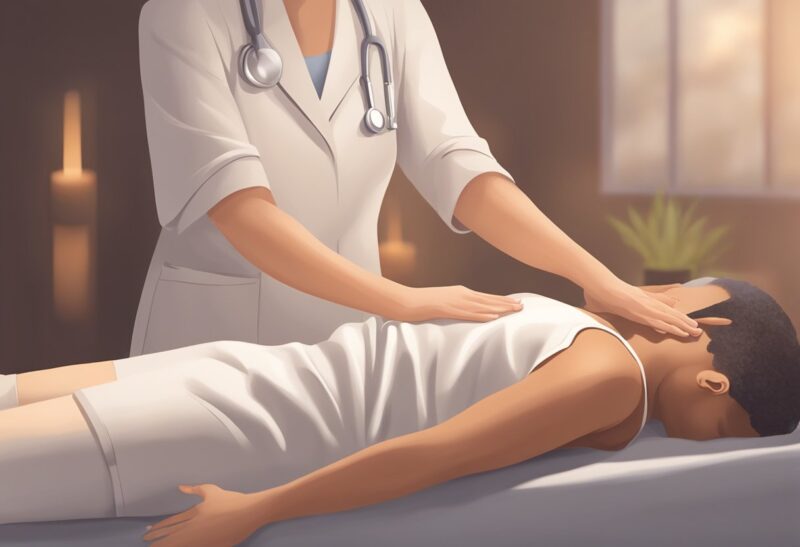
Osteopathy is a medical field that focuses on the diagnosis, treatment, and prevention of musculoskeletal disorders. By examining how the body’s systems are interconnected, osteopaths work to improve overall health through manual therapy techniques.
Principles and Practice
Osteopathy is based on the idea that the body functions as a single unit, with structure and function being closely linked. This means that any issues in the musculoskeletal system can affect the whole body. Osteopaths are trained to detect, treat, and prevent these issues by using techniques like stretching, massage, and manipulation to move the joints and muscles.
These methods aim to increase blood flow, reduce pain, and improve mobility. Osteopaths are regulated healthcare professionals, and in the UK, they must be registered with the General Osteopathic Council (GOsC), ensuring they meet strict standards for safety and competence.
Holistic Approach to Health
Osteopathy takes a holistic approach to health, meaning it looks at the whole person, not just their symptoms. This involves evaluating your lifestyle, diet, and emotional state, as well as your physical health. The aim is to identify the root causes of your health issues and treat them, rather than just addressing symptoms.
By focusing on overall wellness, osteopathy aims to support your body’s natural ability to heal itself. Treatments can help with a variety of conditions, from back pain to headaches and digestive issues. This holistic perspective is what differentiates osteopathy from many other forms of medical treatment.
Osteopathy in the Healthcare System
Osteopathy is an integral part of the healthcare system, especially in the UK. Osteopaths are considered Allied Health Professionals and work alongside other healthcare providers to offer comprehensive care. They often collaborate with doctors, physiotherapists, and other specialists to create a well-rounded treatment plan for their patients.
The General Osteopathic Council (GOsC) regulates the profession, ensuring that osteopaths adhere to high standards of practice. This includes rigorous training and continuing professional development. Osteopathy is recognised and supported within many healthcare systems, providing a valuable option for patients seeking non-invasive, drug-free treatment for various musculoskeletal issues.
Benefits and Techniques of Osteopathy
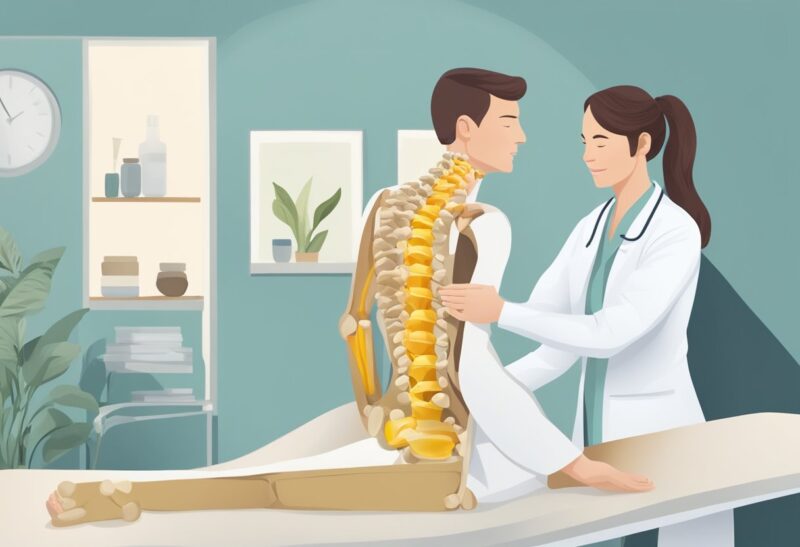
Osteopathy provides a wide range of benefits that include alleviating muscle and joint pain, enhancing mobility, and treating specific conditions. Various hands-on techniques are employed to achieve these benefits, such as manipulation, massage, and stretching.
Alleviating Muscle and Joint Pain
Osteopathy is highly effective in reducing muscle and joint pain. Pain relief is achieved through gentle manipulation and massage that target the affected areas. These techniques help improve blood flow, reduce inflammation, and promote healing. Conditions such as back pain, arthritis, and sciatica can see significant improvements.
Osteopaths use their hands to apply techniques that relax muscles and release tension in joints. This physical intervention aids in reducing discomfort and improving overall function. By focusing on specific problem areas, osteopathy offers a tailored approach to pain management.
Enhancing Mobility and Posture
Improving mobility and posture is another key benefit of osteopathy. Techniques like stretching and manipulation are used to increase the range of motion in joints and flexibility in muscles. This can be particularly beneficial for individuals with sports injuries or those experiencing chronic stiffness.
Osteopathy also aims to correct postural imbalances. By addressing misalignments and ensuring bones, muscles, and ligaments function harmoniously, your posture can be significantly improved. This not only helps in reducing pain but also in preventing future injuries and enhancing overall movement quality.
Osteopathic Treatment for Specific Conditions
Osteopathy can effectively treat a variety of specific conditions. For example, during pregnancy, osteopathic techniques can help alleviate back pain and improve balance. Patients suffering from headaches may also find relief through targeted treatments that focus on the neck and upper back.
Additionally, osteopathy is beneficial for conditions like arthritis and sports injuries. Gentle manipulation and massage assist in reducing pain and swelling, improving joint function, and speeding up recovery. One of the core principles of osteopathy is promoting the body’s self-healing processes through carefully applied hands-on techniques.
The Osteopathic Consultation and Treatment Plan
Osteopathic consultations focus on understanding your symptoms, lifestyle, and medical history to create a personalised treatment plan. This involves an initial assessment, development of a treatment plan, and long-term management.
Initial Assessment
Your initial consultation with an osteopath involves a thorough case history of your symptoms, lifestyle, and medical background. This step is crucial as it helps your osteopath understand any underlying issues that may be contributing to your condition.
Expect to answer questions about your diet, exercise habits, and daily activities.
The osteopath will also perform a physical examination, asking you to make simple movements to assess areas of pain or discomfort. Diagnosis at this stage sets the foundation for your treatment plan.
Developing a Personalised Treatment Plan
After gathering all necessary information, your osteopath will develop a personalised treatment plan tailored to your needs. This plan might include manipulative treatments, stretching, and massage techniques to target specific areas of concern.
They will outline the benefits and risks associated with the proposed treatments.
You might also receive advice on lifestyle modifications, exercises, and dietary changes to support your recovery. Communication about what to expect during and after treatments will be clear, ensuring you understand each step of the plan.
Follow-Up and Long-Term Management
Follow-up appointments are key to monitoring your progress and adjusting the treatment plan as needed. Your osteopath will check how well you are responding to treatment and make any necessary changes.
Long-term management may include regular check-ups to prevent recurrence of symptoms. You might be advised on self-care techniques and exercise routines to maintain your health.
Continued patient-centered care ensures your path to recovery is steady and well-supported. Frequent appointments help in addressing any new issues promptly.
Practical Information for Patients
To benefit from osteopathy, it is crucial to choose the right practitioner, understand the costs and insurance implications, and be aware of the treatment’s safety and effectiveness.
Selecting an Osteopath
When selecting an osteopath, ensure they are registered with the General Osteopathic Council. This guarantees that they meet the required UK law standards and are licensed to practice.
Seek recommendations from your GP or friends for reputable practitioners. An osteopath’s experience and specialisation can make a significant difference in your treatment. Don’t hesitate to ask about their qualifications, years of practice, and any specific areas of expertise.
Insurance and Cost Considerations
The cost of osteopathy can vary depending on location and the practitioner’s experience. An initial consultation may cost between £40 and £80, with follow-up sessions usually costing less.
Check if your health insurance covers osteopathic treatment. Some policies might require a referral from your GP. It is important to clarify with your insurer to understand what is covered.
Safety and Effectiveness
Osteopathy is considered safe when performed by a licensed practitioner. The General Osteopathic Council ensures that osteopaths adhere to strict professional standards. Most patients report improvement after treatment, but it may not be suitable for everyone.
Discuss any medical conditions you have with your osteopath to ensure the treatment is appropriate for you. Osteopathy is effective for various musculoskeletal issues, but results vary from person to person. Always follow your osteopath’s advice and report any adverse effects immediately.
Frequently Asked Questions
Osteopathy offers a holistic approach to healthcare, focusing on musculoskeletal issues. Here, you will find answers to common questions about osteopathy, including its differences from other treatments and what you can expect from a consultation.
What distinguishes osteopathy from chiropractic care?
Osteopathy and chiropractic care both deal with the musculoskeletal system, but they have different approaches. Osteopathy involves a broader focus on the body’s systems as a whole, while chiropractic care primarily centres on spinal adjustments. Osteopaths use techniques like stretching and massage, whereas chiropractors focus more on spinal manipulation.
Can you explain the potential side effects of osteopathy treatment?
Some patients might experience mild side effects after osteopathy treatment. These can include soreness, stiffness, or tiredness. These effects are typically temporary and should subside within a day or two. Serious side effects are rare, but you should always discuss potential risks with your osteopath.
What qualifications are necessary to become an osteopath?
To become an osteopath in the UK, you must complete a degree in osteopathy, which usually takes four to five years. This includes both academic study and over 1,000 hours of clinical training. Osteopaths must also be registered with the General Osteopathic Council to practice legally.
In what ways does osteopathy differ from physiotherapy?
Osteopathy and physiotherapy both aim to improve patient mobility and reduce pain, but they use different methods. Osteopaths focus on the body’s structure and use hands-on techniques to promote healing. Physiotherapists often use exercises, stretches, and manual therapy to treat specific injuries or conditions.
What types of conditions can osteopathy effectively treat?
Osteopathy can treat a variety of conditions, particularly those related to the musculoskeletal system. These include lower back pain, neck pain, shoulder pain, arthritis, and sports injuries. Osteopaths also help with headaches and digestive issues by focusing on how these problems relate to the musculoskeletal system.
How does an osteopath approach a patient’s first consultation and treatment?
During your first consultation, an osteopath will take a detailed medical history and perform a physical examination. This helps them understand your health issues and design a personalised treatment plan. The treatment typically involves hands-on techniques like stretching, massaging, and joint manipulation to relieve pain and improve function.
Total Health Clinics – Click on any of the links below for direct access to the clinic and treatment that you need:
Cambridge chiro, Cambridge physio, Cambridge osteo, Cambridge massage, Peterborough chiro, Peterborough physio, Peterborough osteo, Peterborough massage Kings Lynn chiro, Kings Lynn osteo, Kings Lynn massage and Kings Lynn physio
