
Whether you’re recovering from an injury, managing a chronic condition, or looking to improve your well-being, physiotherapy might be the solution you need. Physiotherapy uses techniques like manual therapy, exercise, and education to help relieve pain, improve movement, and promote overall health. This field takes a ‘whole person’ approach, which means it considers your general lifestyle and involves you actively in your own care.
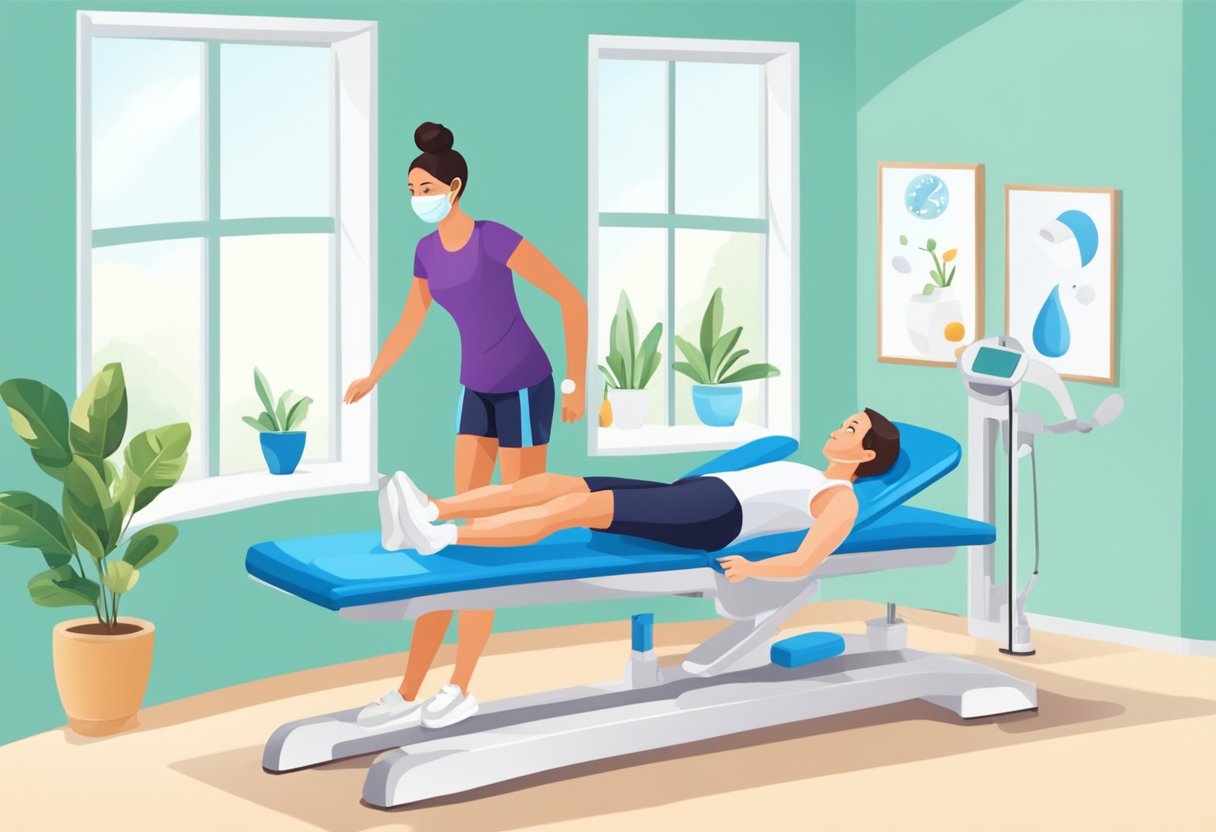
Physiotherapy can be beneficial for many health conditions. From back pain and sports injuries to neurological issues like strokes and Parkinson’s disease, physiotherapists are trained to address a variety of problems. They work with people of all ages to ensure better mobility and a healthier life.
Engaging with a physiotherapist is not just about treatment; it’s about empowerment. By participating actively in your care, you learn how to manage and prevent future issues effectively. This collaborative approach ensures you gain the most from each session, improving both your physical health and overall well-being.
Key Takeaways
- Physiotherapy helps relieve pain and improve movement.
- It addresses a wide range of health conditions, including injuries and neurological issues.
- Active participation in physiotherapy promotes better health and recovery.
Exploring the Scope of Physiotherapy

Physiotherapy offers a wide range of treatments designed to help individuals regain mobility and manage pain. This section looks at the therapy process and the various techniques used in physiotherapy.
Understanding the Therapy Process
Physiotherapy starts with an assessment of your physical condition. The physiotherapist checks your medical history, conducts a physical exam, and may use imaging techniques to understand your issues. This helps them create a personalised treatment plan to meet your specific needs.
Treatment includes exercises to improve strength, flexibility, and coordination. Manual therapy might also be used, which involves hands-on techniques to manipulate muscles and joints. Your physiotherapist will guide and monitor your progress in each session, adjusting the treatment as necessary.
Sometimes, other forms of treatment like hydrotherapy, electrotherapy, and acupuncture are included. Hydrotherapy uses water exercises for physical rehabilitation. Electrotherapy employs electrical stimulation to reduce pain and improve muscle function. Acupuncture, involving the insertion of fine needles, can help reduce pain and inflammation.
Diverse Techniques in Physiotherapy
Several key techniques are used to treat different conditions. Manual therapy involves stretching, joint mobilisation, and massage to improve movement and relieve pain. This technique is effective for treating issues like back pain and joint stiffness.
Hydrotherapy is another valuable technique. It uses water’s buoyancy and resistance to enhance physical therapy. The warm water helps relieve muscle tension and improves circulation, making it easier to perform exercises that might be difficult on land.
Electrotherapy uses electrical currents to stimulate nerves and muscles. It’s commonly used for pain relief, reducing muscle spasms, and encouraging muscle activation after injuries.
Acupuncture is also incorporated in some physiotherapy practices. This ancient technique can help with pain management, reduce inflammation and promote healing by inserting fine needles at specific points on the body.
By combining these techniques, physiotherapy addresses a wide range of physical issues, helping you achieve better health and mobility.
Health Conditions Addressed by Physiotherapy

Physiotherapy can assist with a variety of health issues, from easing pain from sports injuries to aiding recovery from neurological conditions and managing chronic diseases. It offers various treatments to enhance movement, reduce discomfort, and improve overall quality of life.
Musculoskeletal and Sports Injuries
Physiotherapists often treat musculoskeletal conditions, which involve muscles, bones, and joints. Common issues include back pain, arthritis, and joint injuries. Sports injuries, such as sprains and strains, are also frequently addressed. Techniques like manual therapy, exercise programmes, and ultrasound therapy help reduce pain and improve mobility.
By working with a physiotherapist, you can receive a tailored plan to recover from injuries, strengthen muscles, prevent further injury, and return to daily activities or sports.
Managing Chronic Diseases and Disabilities
For chronic diseases such as asthma, chronic obstructive pulmonary disease (COPD), and heart attack recovery, physiotherapy provides crucial support. It can help improve lung function and reduce symptoms through breathing exercises.
Those with long-term disabilities, including multiple sclerosis and severe arthritis, can benefit from physiotherapy to maintain mobility, manage pain, and improve daily functioning. Techniques might include customised exercise plans, pain management strategies, and education on how to adapt to physical limitations.
Neurological and Respiratory Rehabilitation
Neurological conditions like stroke, Parkinson’s disease, and multiple sclerosis can significantly impact movement and coordination. Physiotherapy offers specific interventions to enhance motor skills and improve quality of life. Balance training, strength exercises, and functional movement exercises are commonly used.
For respiratory conditions, such as cystic fibrosis and asthma, physiotherapy can aid in clearing airways, improving breathing, and enhancing overall lung function. Techniques like chest physiotherapy and breathing exercises are essential components of the treatment plan.
Physiotherapy provides targeted treatment to help you regain independence and manage symptoms effectively. It can play a key role in your rehabilitation and ongoing health management.
The Impact of Physiotherapy on Recovery and Well-being
Physiotherapy can greatly influence your recovery and overall well-being. By focusing on both physical and mental health, it offers a comprehensive approach to healing and improving quality of life.
Improving Quality of Life Through Mobility and Strength
One of the primary benefits of physiotherapy is its ability to boost your mobility and strength. Techniques such as stretching, strengthening exercises, and joint mobilisations are utilised. This helps you regain lost functions and enhances your range of motion. Physiotherapy can be especially helpful for those recovering from surgeries or injuries, allowing you to return to daily activities more quickly.
Enhanced mobility not only improves physical performance but also contributes to your general well-being. Increased strength reduces the risk of further injuries and improves your ability to perform everyday tasks. This means you can enjoy a more active and independent lifestyle.
Physiotherapy also utilises various tools like resistance bands and exercise balls to make rehabilitation more effective. By targeting specific muscle groups, these tools help you gain strength and prevent future complications.
Holistic Approach to Pain and Disease Management
Physiotherapy adopts a holistic approach to managing pain and various health conditions. This is achieved through techniques that target the root cause rather than just treating symptoms. For instance, manual therapy and acupuncture are often combined to relieve pain and promote healing.
Chronic conditions like arthritis and back pain can significantly impact your quality of life. Through personalised treatment plans, physiotherapists aim to manage these issues effectively. They employ methods such as soft tissue mobilisation and electrical stimulation to reduce pain and enhance your recovery.
Mental well-being is another important aspect. Physiotherapy can help manage stress and anxiety, which often accompany chronic pain. By incorporating breathing exercises and mindfulness techniques, physiotherapy offers a comprehensive approach to improving your overall health and well-being.
Physiotherapy’s holistic focus ensures you receive care that addresses both your physical and emotional needs, promoting a balanced and healthy lifestyle.
Engaging with Physiotherapy Services
Engaging with physiotherapy services involves understanding how to get referred and what to expect during treatment. It also includes educating yourself and staying informed through professional resources.
The Pathway through Referral to Treatment
You typically start by visiting your GP, who may refer you to a physiotherapist if needed. This initial visit helps assess your condition and determine if physiotherapy is the right path.
In the UK, the NHS provides most physiotherapy services. Your GP refers you, and you’ll receive an appointment. It’s crucial to keep this appointment. During your first visit, the physiotherapist will evaluate your condition through various tests and discuss your medical history.
Based on this assessment, a treatment plan is created. This outlines specific exercises, therapies, and expected outcomes. Regular follow-up sessions ensure that any adjustments needed to the plan are made accordingly.
Professional Development and Patient Education
Educating yourself on physiotherapy can help you make informed decisions. Many resources are available online, through NHS websites, and physiotherapy clinics.
Physiotherapists undergo extensive training and regularly update their skills to offer the best care. Engaging with your treatment means asking questions and understanding each part of the plan.
Useful educational materials may include pamphlets, online articles, and direct advice from your physiotherapist. Reading these can clarify what to expect and how to maximise the benefits of your treatment. This approach ensures that both you and your physiotherapist work closely to improve your health.
Online resources and local support groups, such as those at community centres and various health clubs, can also offer additional guidance and shared experiences from other patients.
Frequently Asked Questions
Physiotherapy offers multiple benefits, requires specific qualifications, and utilises diverse treatments. It also plays a crucial role in both injury recovery and within hospital settings.
What are the primary benefits of undergoing physiotherapy?
Physiotherapy can help restore movement and function if you’re affected by injury, illness, or disability. It also aims to reduce pain and improve quality of life through physical means like exercise and manual therapy. Learn more about the benefits of physiotherapy.
What qualifications are required to become a physiotherapist?
To become a physiotherapist in the UK, you need to complete a degree in physiotherapy approved by the Health and Care Professions Council (HCPC). After obtaining your degree, you must register with the HCPC to practise legally.
How can physiotherapy aid in recovery following an injury?
Physiotherapy helps in injury recovery by reducing pain, improving mobility, and strengthening muscles. Techniques include exercises, manual therapy, and sometimes, electrical stimulation. These methods can speed up your recovery process and help you return to daily activities or sports more quickly.
What types of treatments do physiotherapists commonly administer?
Common treatments include exercises to improve strength and flexibility, manual therapy to mobilise joints and soft tissues, and education on how to manage conditions. Sometimes, physiotherapists use techniques like ultrasound therapy and acupuncture to aid recovery. For more details, visit Bupa’s explanation.
Can patients refer themselves to NHS physiotherapy in Scotland?
Yes, in some areas of Scotland, patients can refer themselves to NHS physiotherapy without needing a GP referral. This process varies by region, so you should check with your local NHS services for specific details and guidelines.
What is the role of a physiotherapist within a hospital setting?
In hospitals, physiotherapists work in various departments, such as orthopaedics, neurology, and respiratory. They assist with post-surgical rehabilitation, manage chronic conditions, and support patients recovering from strokes or other severe illnesses. The goal is to improve patients’ mobility and overall function, facilitating faster recovery and discharge.
Total Health Clinics – Click on any of the links below for direct access to the clinic and treatment that you need:
Cambridge chiro, Cambridge physio, Cambridge osteo, Cambridge massage,Peterborough chiro, Peterborough physio, Peterborough osteo, Peterborough massage Kings Lynn chiro, Kings Lynn osteo, Kings Lynn massage and Kings Lynn physio
