
Dealing with back pain can be a frustrating and painful experience. Whether it’s a result of poor posture, an injury, or a chronic condition, back pain impacts your daily life and mobility. Physiotherapy offers a range of treatments that can help alleviate pain and improve your quality of life. By understanding the common physiotherapy methods available, you can find relief and return to your daily activities with less discomfort.
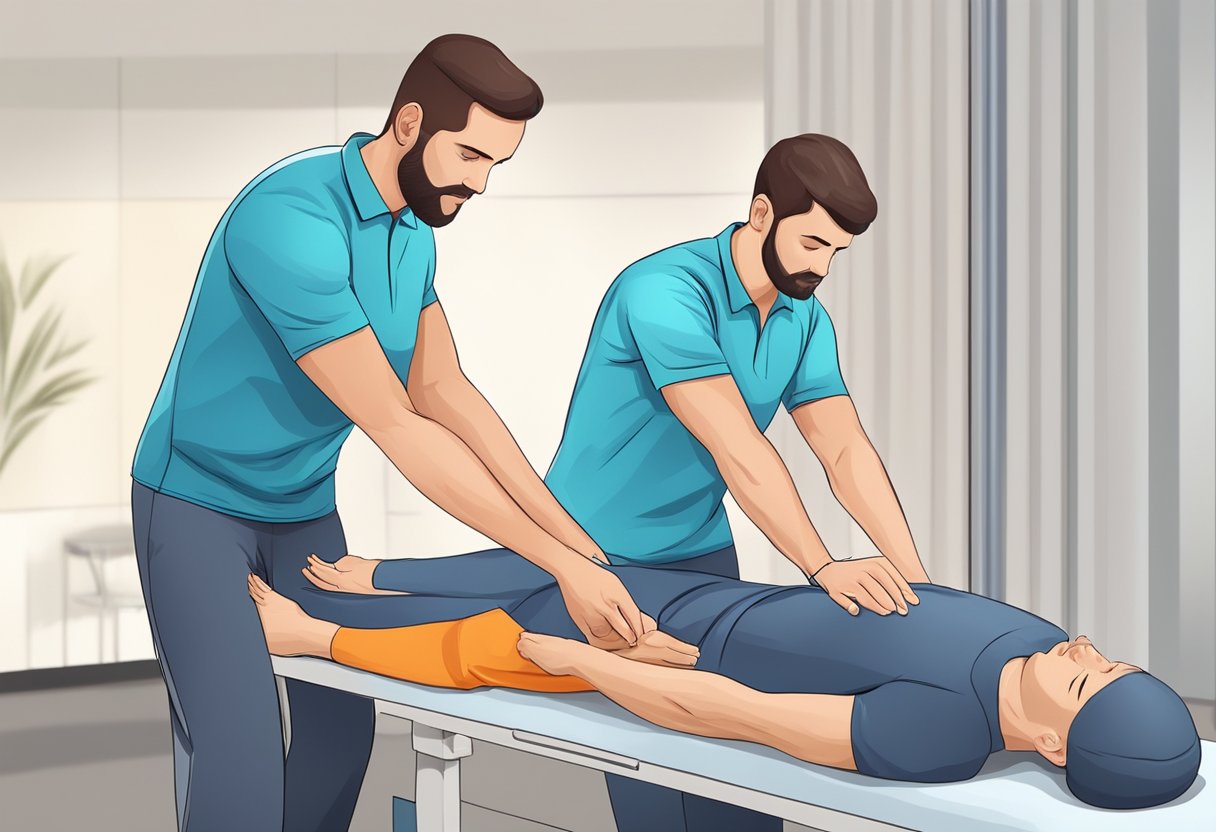
Physiotherapists use a variety of non-invasive techniques to treat back pain. These treatments often include exercises tailored to strengthen your back muscles and improve flexibility. Manual therapies, such as massage or mobilisation, can also help reduce pain and enhance movement. These treatments are designed to address the specific needs of your condition, promoting faster and more effective rehabilitation.
In addition to traditional physiotherapy methods, many practitioners incorporate integrative and complementary therapies into their treatment plans. Techniques like acupuncture or the use of TENS machines may be recommended alongside exercise and manual therapy. These combined approaches can provide more comprehensive pain relief and support long-term recovery.
Key Takeaways
- Physiotherapy offers various effective treatments for back pain.
- Exercise and manual therapy are common non-invasive techniques.
- Integrative therapies can enhance rehabilitation and pain relief.
Understanding Back Pain
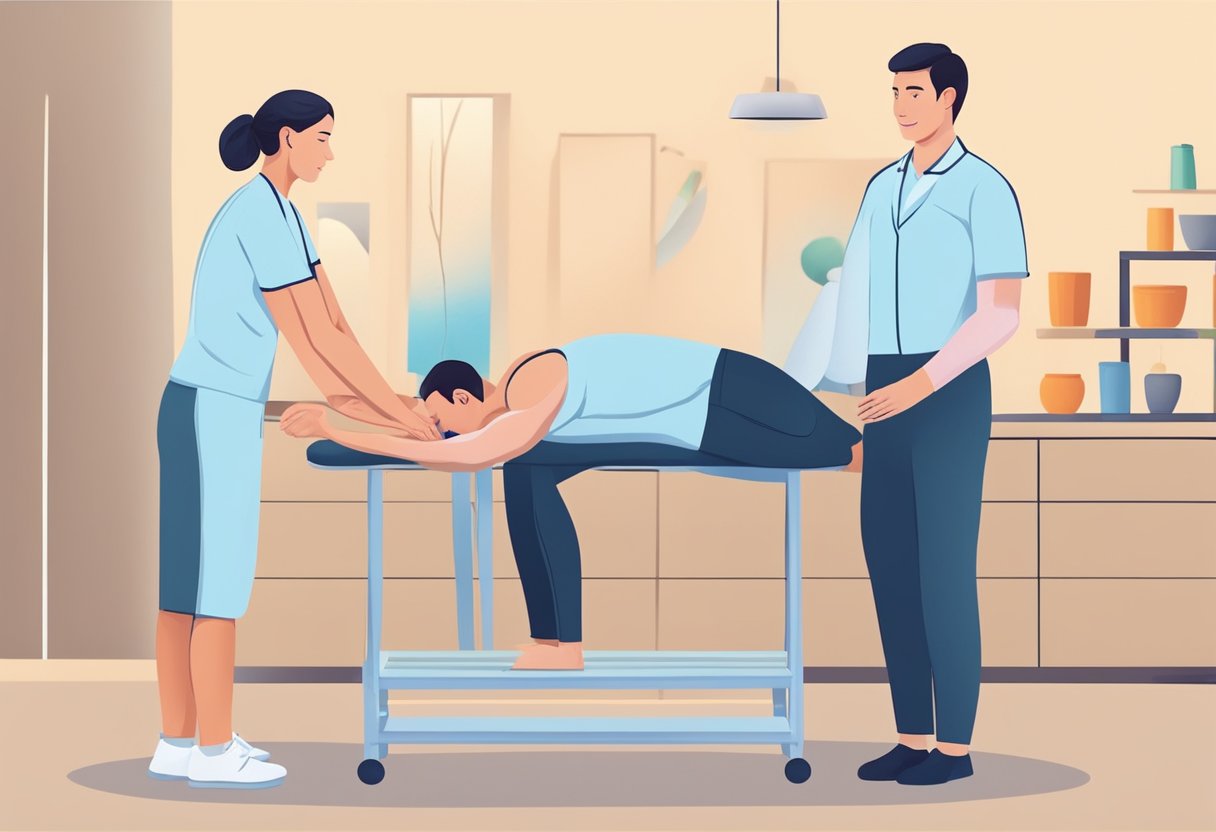
Back pain is a common issue that can stem from various causes and diagnoses. Identifying the exact source of your pain and getting an accurate assessment is crucial for effective treatment.
Common Causes and Diagnoses
Back pain can have many origins. Lower back pain often results from a herniated disc or spinal stenosis. A herniated disc occurs when the soft material inside the disc pushes out, compressing nearby nerves. This can lead to sciatica, where pain radiates down the leg.
Arthritis and osteoporosis are other major contributors. Arthritis causes inflammation of the spinal joints, leading to chronic back pain and stiffness. Osteoporosis weakens bones, making them prone to fractures which can cause severe discomfort.
Ankylosing spondylitis is a type of arthritis that specifically affects the spine, causing long-term inflammation and pain. If you have chronic back pain, it could be linked to long-term conditions like these. Accurate diagnosis is key for proper treatment.
The Importance of Accurate Assessment
Accurate assessment of back pain ensures you get the right treatment. A thorough check-up might include physical exams, medical history reviews, and imaging tests like X-rays or MRIs.
Sciatica symptoms, for example, need careful evaluation to determine if the cause is a herniated disc or another issue like spinal stenosis. Identifying the exact cause helps in creating an effective treatment plan.
If you suffer from arthritis or osteoporosis, assessments focus on pinpointing the affected areas and understanding the degree of progression. Regular follow-ups and different tests ensure that any worsening conditions are caught early.
This detailed approach allows physiotherapists to tailor treatments, such as exercise programmes or hands-on therapies, which can significantly improve your well-being. Accurate assessments directly impact recovery and the effectiveness of your back pain management.
Non-Invasive Physiotherapy Techniques
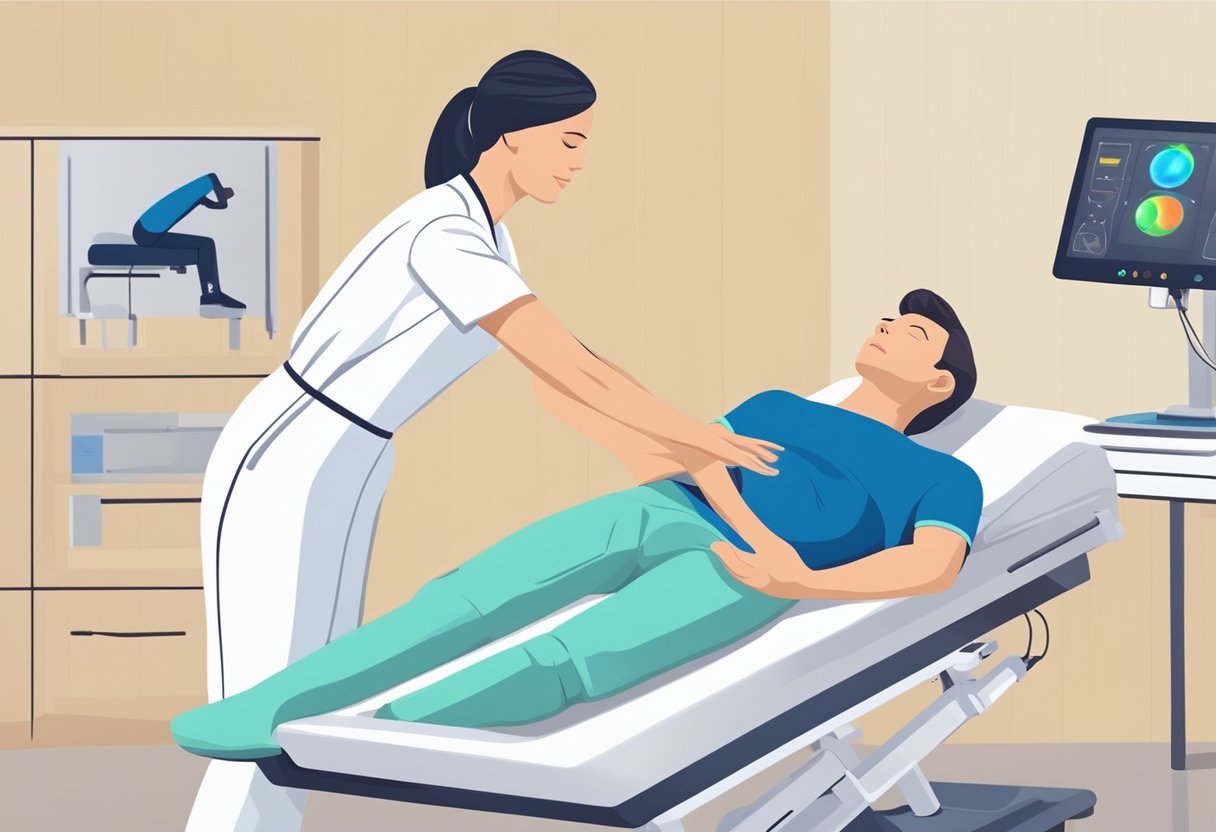
Non-invasive physiotherapy for back pain includes various techniques like manual therapy, exercise as rehabilitation, and heat and electrotherapy treatments. Each method aims to alleviate pain, improve mobility, and enhance overall function.
Manual Therapy Methods
Manual therapy involves hands-on techniques used by physiotherapists to manipulate or mobilise your spine and soft tissues. This includes mobilisation, which gently increases joint movement, and manipulation, which involves quick, forceful movements to improve spinal function.
Stretching exercises are often included to increase your flexibility. These techniques help reduce pain and stiffness, making daily activities easier to perform. Issues like non-specific lower back pain benefit significantly from manual therapy as it targets specific problem areas.
Soft tissue techniques may also be applied to release muscle tension and improve blood flow. Overall, manual therapy offers a targeted approach to managing back pain without medication or surgery.
Exercise as Rehabilitation
Exercise is a cornerstone of physiotherapy for back pain. It includes strengthening exercises for the core, which support your spine, and stretching exercises to improve flexibility. A well-rounded exercise program will incorporate aerobic exercise to enhance cardiovascular health and overall fitness.
One key aspect is engaging in exercises for lower back pain, such as pelvic tilts, bridging, and gentle yoga. These help to strengthen the core muscles, which provide essential support to your lower back. Flexibility exercises will often focus on your hamstrings and hip flexors, which can affect your back.
Exercise therapy is tailored to your specific needs and can be modified as your condition improves. Regular exercise helps to maintain long-term back health and prevent future pain episodes.
Heat and Electrotherapy Treatments
Heat treatments, like warm packs or heat wraps, help to reduce muscle tension and increase blood flow to the affected area. This can be especially soothing for chronic back pain sufferers. Electrotherapy, such as Transcutaneous Electrical Nerve Stimulation (TENS), uses electrical impulses to relieve pain.
TENS units send low-voltage electrical currents through electrodes placed on your skin, which can help block pain signals to your brain. This method is useful for both chronic and acute pain management. Other treatments may include ultrasound therapy, which uses sound waves to reduce inflammation and promote healing.
Heat and electrotherapy are often used in combination with other treatments to provide comprehensive care. These non-invasive options can offer significant relief without the need for medication.
Integrative and Complementary Therapies
Integrative and complementary treatments offer alternative options for managing back pain. These therapies, often used alongside traditional methods, provide different approaches to achieving pain relief and improving mobility.
Acupuncture and Dry Needling
Acupuncture involves inserting very fine needles into specific points on the body to stimulate nerves and muscles. It is often used by physiotherapists to alleviate chronic back pain by promoting the release of natural pain-relieving chemicals. This practice has roots in traditional Chinese medicine but is now widely accepted in Western healthcare.
Dry needling, similar to acupuncture, targets specific muscle knots or trigger points. It aims to reduce muscle tension, provide pain relief, and improve range of motion. A chartered physiotherapist might combine dry needling with other forms of physical therapy to maximise its benefits. Both acupuncture and dry needling are seen as effective complementary treatments for back pain.
Massage and Soft Tissue Techniques
Massage therapy for back pain includes techniques like deep tissue massage and sports massage. These methods focus on manipulating muscles and soft tissues to reduce pain and improve circulation. A skilled physiotherapist or a trained massage therapist often performs these therapies.
Sports massage, in particular, is beneficial for those who have sustained sports-related injuries or experience muscle strain from physical activities. It helps in reducing inflammation, alleviating discomfort, and promoting faster recovery. Soft tissue techniques can also aid in enhancing muscle flexibility and reducing stiffness around the affected area. Regular sessions can provide lasting relief from chronic back pain.
Self-Management and Prevention
Effective self-management and prevention of back pain involve regular exercise and mindful lifestyle choices. These practices help in managing pain from home, staying healthy as you age, and keeping active and healthy in various environments.
Exercise Programmes and Lifestyle Adjustments
Engaging in exercise programmes can significantly aid in managing and preventing back pain. Activities such as walking, swimming, and yoga are excellent for maintaining a healthy back.
Pilates can also improve flexibility and strength, which are essential for a robust spine. Incorporate stretches into your daily routine to enhance your range of motion.
Adopt lifestyle adjustments like improving your work environment. Ensure your chair supports your lower back and your computer screen is at eye level.
It’s crucial to stay active throughout the day; take regular breaks to stretch and walk around. For those who “love activity, hate exercise,” find enjoyable physical activities to keep moving, maintaining a healthy back.
By integrating these practices, you can alleviate pain and prevent future back issues. Remember, staying consistent with these habits is key to long-term health.
Frequently Asked Questions
Physiotherapy can help manage lower back pain through targeted exercises, hands-on treatments, and advice on maintaining a healthy back. In this section, we’ll address common questions about treatments, costs, and what to expect from your physiotherapy sessions.
What exercises are recommended during physiotherapy for alleviating back pain?
Physiotherapists often advise exercises like pelvic tilts, bridges, and stretches to alleviate back pain. These exercises focus on strengthening your core and improving flexibility. Additionally, aerobic exercises such as walking or swimming might be recommended to keep you active without straining your back.
What should one expect during a physical therapy session for lower back pain?
During a session, your physiotherapist will assess your condition, ask about your pain levels, and guide you through specific exercises. They might also employ manual therapy techniques, such as massage or manipulation, to reduce pain. Each session usually includes advice on posture and techniques to avoid future pain.
Can physiotherapy treatments for back pain be effectively carried out at home?
Yes, many physiotherapy exercises can be performed at home with proper guidance. Your physiotherapist might give you a personalised exercise plan to follow. While home exercises are beneficial, it’s important to have periodic check-ins with your physiotherapist to ensure you’re performing the exercises correctly.
How does physiotherapy manage lower back pain?
Physiotherapy manages back pain through a combination of exercises, manual therapy, and education. Techniques such as manipulation or acupuncture may be used. The goal is to improve mobility, strengthen the back muscles, and provide strategies to prevent the pain from recurring. More details can be found here.
What are the costs involved in physiotherapy for treating back pain?
The costs of physiotherapy can vary. In the UK, you might have access to free or reduced-cost services through the NHS. Private physiotherapy sessions range between £40 to £70 per session. It’s advisable to check with your provider for specific pricing and any available packages.
What are the most effective physiotherapy techniques for treating chronic back pain?
For chronic back pain, effective techniques include manual therapy, acupuncture, and structured exercise programmes. Manual therapy may involve massage or spinal manipulation, while exercise programmes often focus on core strengthening and improving posture. Acupuncture can also help to reduce pain and improve function, as explained here.
Total Health Clinics – Click on any of the links below for direct access to the clinic and treatment that you need:
Cambridge chiro, Cambridge physio, Cambridge osteo, Cambridge massage,Peterborough chiro, Peterborough physio, Peterborough osteo, Peterborough massage Kings Lynn chiro, Kings Lynn osteo, Kings Lynn massage and Kings Lynn physio
