
Are you struggling with lower back pain? Osteopathic treatment might be the solution you’ve been seeking. Osteopathy focuses on the structure and functioning of your whole body, providing a holistic approach to treating musculoskeletal conditions like lower back pain. This proven method can help reduce discomfort and improve your overall wellbeing by addressing the root causes of pain rather than just the symptoms.
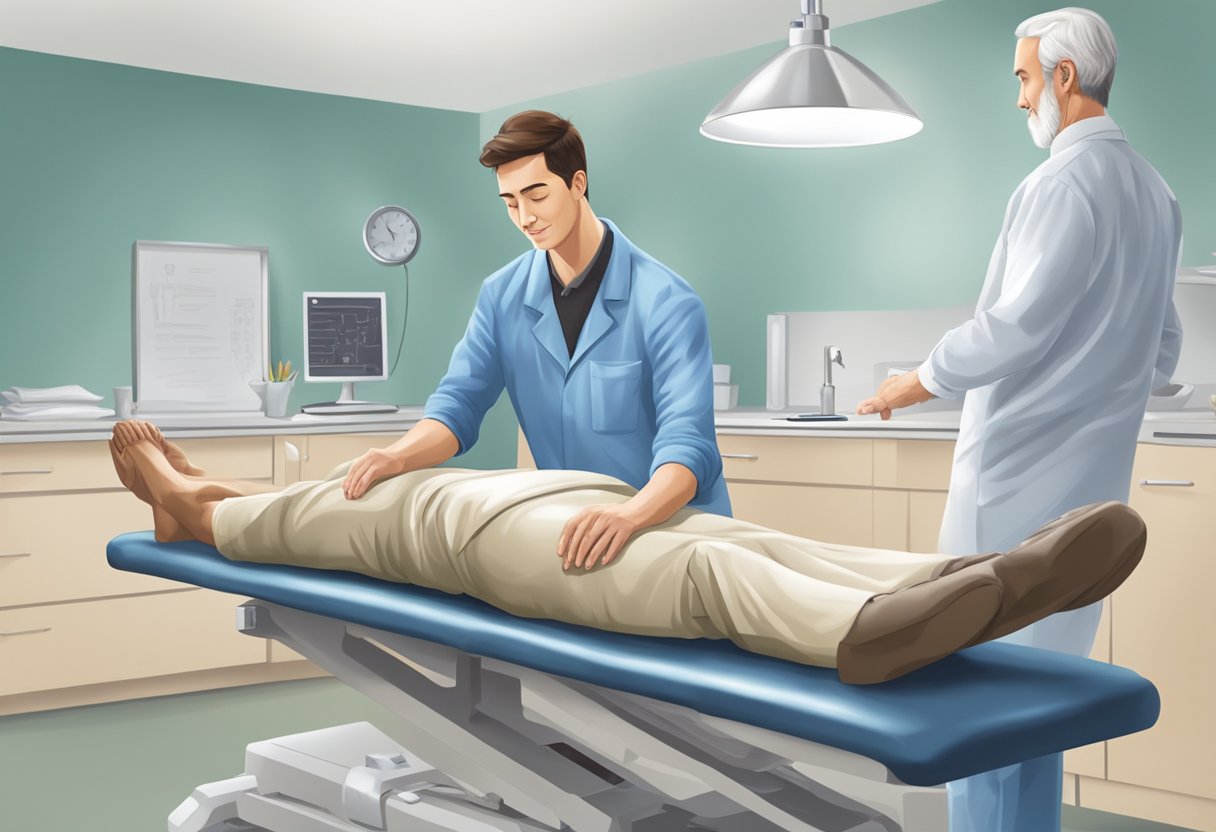
Osteopaths use a variety of techniques, including massage and joint manipulation, to alleviate pain in the lower back. These methods not only relieve pressure and improve movement but also enhance your body’s natural healing processes. You’ll find that osteopathy can be particularly effective in treating both short-term and chronic lower back issues, making it a versatile option for many individuals.
Incorporating osteopathy into your health routine is simple and beneficial. Whether you’re dealing with acute pain or looking for long-term maintenance, regular visits to an osteopath can make a significant difference. Discover how this treatment can be tailored to your needs and start your journey to a pain-free life.
Key Takeaways
- Osteopathy offers a holistic approach to treating lower back pain.
- Techniques include massage and joint manipulation to enhance healing.
- Regular osteopathic treatment can provide long-term relief and maintenance.
Understanding Lower Back Pain
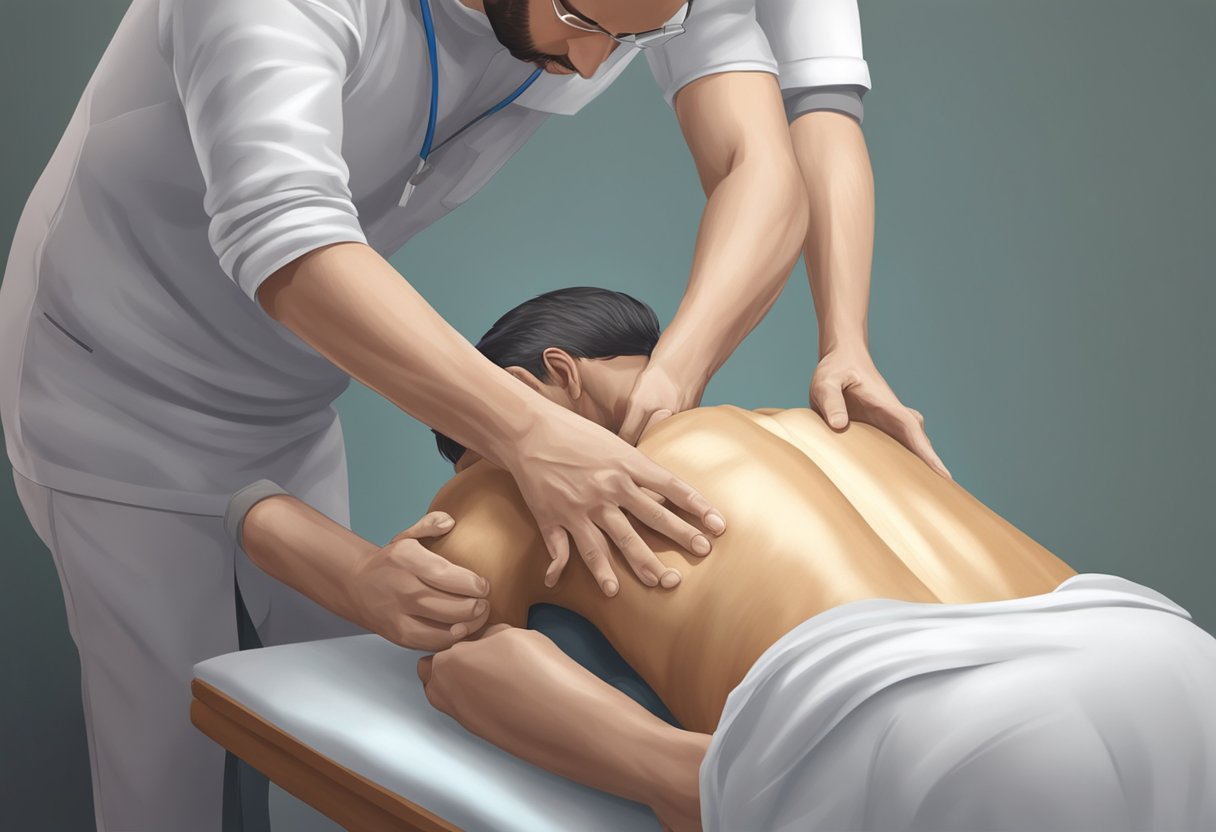
Lower back pain affects many people and can result from various factors. Recognising its causes and symptoms is vital in managing and treating the condition effectively.
Anatomy and Common Causes
Your lower back comprises the lower part of the spine, known as the lumbar region. This area includes five vertebrae, which are the building blocks of your spine, held together by joints and ligaments. Below the lumbar spine, your pelvis supports and stabilises this region.
Common causes of lower back pain involve issues with these components. Muscle strains happen when muscles are overstretched or torn, often from lifting heavy objects incorrectly. Herniated discs, which occur when the cushion-like discs between your vertebrae rupture, can press on nerves, leading to pain. Sciatica, characterised by pain radiating down one leg, results from nerve irritation. Conditions like arthritis and osteoarthritis can also cause chronic lower back pain due to joint inflammation and degradation.
Symptoms and Diagnosis
Symptoms of lower back pain can vary. You may experience a dull ache or sharp pain that worsens with movement. Muscle spasms, restricted mobility, and difficulty standing up straight can also occur. Sciatica often causes pain travelling from your lower back down to your legs and feet.
Diagnosing lower back pain typically starts with a physical examination. Your doctor will check your spine alignment, reflexes, and range of motion. They might use imaging tests such as X-rays or MRI scans to view the spine and identify issues like herniated discs or arthritis. Blood tests can also help rule out underlying conditions such as infections or inflammatory diseases.
Understanding the causes and recognising the symptoms of lower back pain are crucial for effective treatment and pain management.
Principles of Osteopathic Treatment
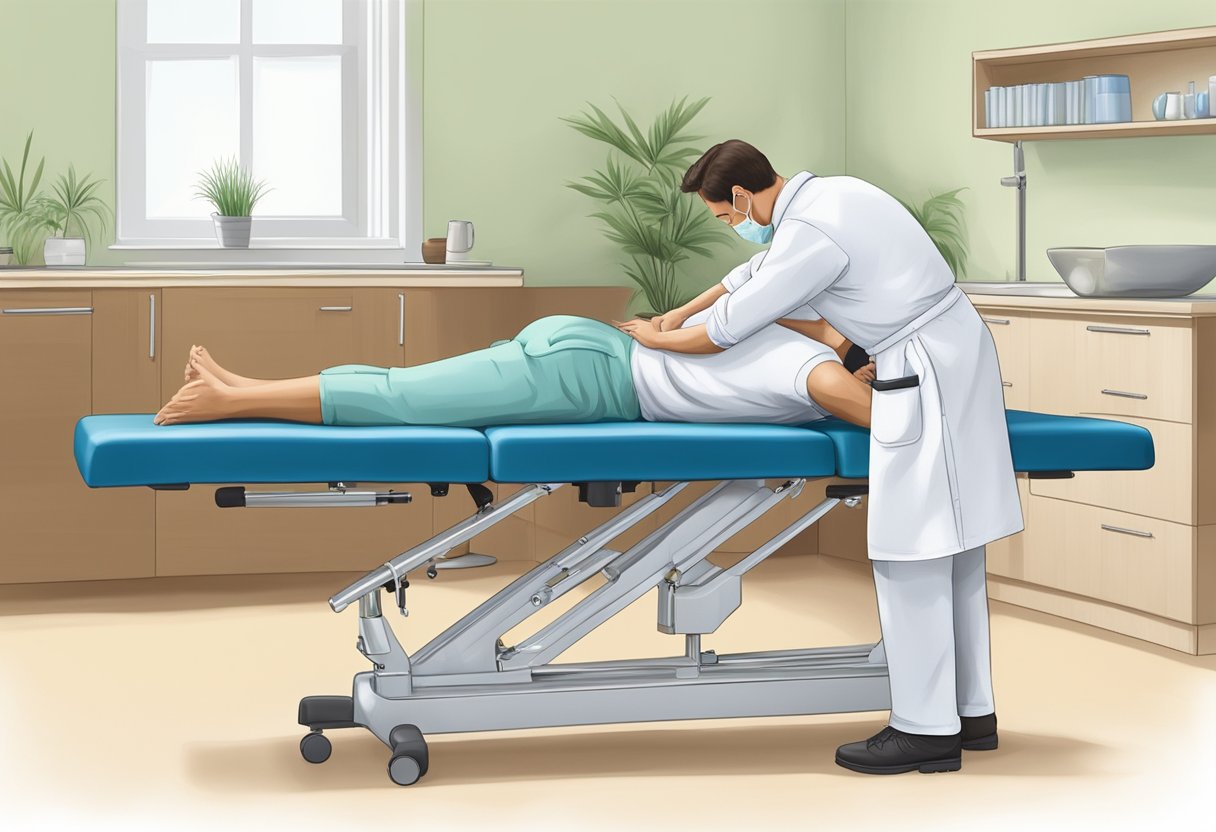
Osteopathic treatment for lower back pain aims to improve your overall health by addressing the musculoskeletal system. It involves a comprehensive assessment, followed by personalised treatment to enhance movement and mobility.
Osteopathic Philosophy
The foundation of osteopathy is the belief that your body’s structure and function are interrelated. Your bones, muscles, and joints need to work together harmoniously for optimal health. Osteopaths use manual therapy to correct imbalances and improve your body’s ability to heal itself.
Osteopaths emphasise the importance of posture and movement in maintaining health. They believe that disruptions in the musculoskeletal system can lead to various health problems. By using hands-on techniques, osteopaths aim to restore balance and function, alleviating pain and improving mobility.
Assessment and Individualised Treatment
During an osteopathic assessment, your osteopath examines your posture, movement, and flexibility. They look for areas of restriction or imbalance in your musculoskeletal system. This thorough evaluation helps them understand the root cause of your lower back pain.
Treatment is tailored to your specific needs. Techniques may include soft tissue manipulation, joint mobilisation, and stretching. The goal is to reduce pain, improve mobility, and enhance overall function. Osteopaths may also provide advice on exercises and lifestyle changes to prevent future issues.
Your treatment plan is dynamic and may evolve as your condition improves. Regular follow-up sessions may be necessary to monitor progress and adjust techniques as needed. This personalised approach ensures that your treatment is effective and aligned with your unique health requirements.
Core Osteopathic Techniques
Osteopathic treatment for lower back pain involves various techniques designed to improve your body’s function and relieve pain. These methods target muscle tension, joint mobility, and tissue health.
Manual Manipulation and Mobilisation
Manual manipulation and mobilisation aim to improve joint function and reduce pain. By moving and adjusting your joints, an osteopath can help you gain better motion range. This technique targets joints that have become stiff or restricted due to injury or chronic conditions.
Mobilisation involves gentle, rhythmic movements to increase motion without causing discomfort. Manipulation, on the other hand, uses quick, controlled movements to realign joints. Together, they help restore normal motion and reduce tension and pain in the affected areas.
Muscle Energy and Soft Tissue Techniques
Muscle energy techniques (MET) focus on using your own muscle strength to improve mobility and reduce pain. You will usually contract specific muscles against a controlled resistance provided by the osteopath. This helps to relax and lengthen tight muscles and improve joint function.
Soft tissue techniques involve various forms of stretching and massage aimed at relieving muscle tension and enhancing tissue elasticity. These techniques work on muscles, connective tissues, and other soft structures to reduce pain and improve mobility. By targeting these tissues, you can experience relief from stiffness and better overall function.
Counterstrain and Articulation Methods
Counterstrain is a gentle technique that helps to reduce pain and improve function by identifying and holding specific body positions that relieve muscle tension. The osteopath finds tender points and places your body in positions that ease discomfort. This technique can help reprogram the way your muscles and connective tissues respond to stress and strain.
Articulation methods involve moving parts of your body through their range of motion to improve movement and relieve pain. It’s a rhythmic, repetitive movement that targets specific joints and soft tissues. By carefully articulating each joint, the osteopath helps to increase flexibility and reduce muscle tension, supporting the overall health of your tissues and joints.
Integrating Osteopathy into Your Health Routine
Osteopathy can be an effective way to manage and prevent lower back pain. It involves combining specific exercises and lifestyle changes to support your musculoskeletal health.
Exercise and Movement Recommendations
Regular exercise is key in osteopathy for maintaining a healthy back, aiding in injury prevention, and promoting overall well-being. Activities such as Pilates and yoga are beneficial as they strengthen core muscles. Engaging those muscles can help support your spine and reduce strain.
Stretching exercises are also important. They can improve flexibility and reduce stiffness in your muscles and joints. Stretching routines should be performed daily or as recommended by your osteopath.
When lifting heavy objects, bend your knees and let your legs do the work. Avoid twisting your back during such activities and turn your whole body instead to prevent injury.
Incorporating cardiovascular exercises like walking or swimming can enhance blood flow and promote healing. Aim for at least 30 minutes of moderate exercise most days of the week.
Lifestyle Changes and Ergonomic Advice
Making simple lifestyle changes can significantly impact the health of your back. Ensure your work environment is ergonomically friendly. Use a chair that supports your lower back, and adjust your desk and computer screen to avoid poor posture.
If you have a job that involves sitting for long periods, take regular breaks to stand, stretch, and move around. This can help prevent stiffness and muscle tension.
Invest in a supportive mattress and sleep with a pillow that keeps your spine aligned. Proper sleeping positions can also contribute to back health.
Watch your posture when standing or walking. Engage your core muscles to maintain a neutral spine position. Avoid slouching, which can lead to muscle imbalances and discomfort.
Small adjustments in your daily activities, combined with osteopathic treatments, can make a big difference in managing lower back pain.
Frequently Asked Questions
Osteopathy can be effective in treating lower back pain by utilising manual therapy and exercises. It’s natural to have a few questions about what to expect and how it works.
What can I expect during my first osteopathic treatment for lower back pain?
During your first visit, the osteopath will take a detailed medical history. They will then perform a physical examination to assess your posture and mobility. Based on their findings, the osteopath will discuss a treatment plan tailored to your needs.
How does osteopathic treatment differ from chiropractic care in managing lower back pain?
Osteopaths focus on the body’s musculoskeletal system as a whole. Chiropractors, on the other hand, primarily target the spine. While both use manual adjustments, osteopaths also employ a variety of techniques including soft tissue manipulation and stretching.
Can osteopathy provide long-term relief for chronic lower back discomfort?
Osteopathy can offer long-term relief by addressing the root causes of pain, such as muscle imbalances and joint restrictions. Regular sessions may help you maintain improved posture and mobility, thereby reducing the frequency and intensity of flare-ups.
What techniques might an osteopath use to address lower back pain?
An osteopath may use techniques such as soft tissue massage, stretching, mobilisation, and high-velocity low-amplitude thrusts. These techniques aim to improve blood flow, reduce muscle tension, and enhance joint function.
How often should I visit an osteopath for lower back pain management?
The frequency of visits depends on the severity of your condition and how you respond to treatment. Initially, you might need weekly sessions. As you improve, the osteopath may recommend reducing the frequency to monthly visits for maintenance.
Are there any side effects associated with osteopathic treatment for lower back pain?
Some patients experience mild soreness or stiffness after treatment, similar to what you might feel after exercise. These side effects are usually temporary and resolve within a day or two. It’s important to communicate with your osteopath about any discomfort.
Total Health Clinics – Click on any of the links below for direct access to the clinic and treatment that you need:
Cambridge chiro, Cambridge physio, Cambridge osteo, Cambridge massage, Peterborough chiro, Peterborough physio, Peterborough osteo, Peterborough massage Kings Lynn chiro, Kings Lynn osteo, Kings Lynn massage and Kings Lynn physio
